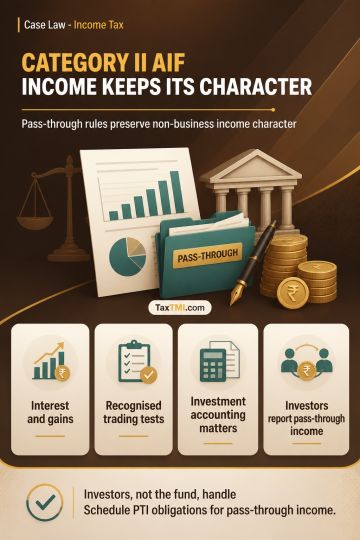
Category II AIF pass-through taxation preserves non-business income character; investment receipts cannot be reclassified without applying recognised ...
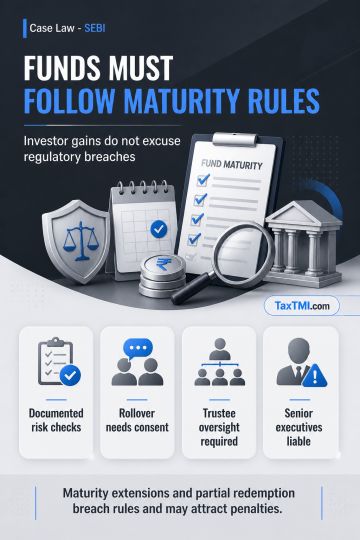
Mutual fund maturity rules require proper rollover, redemption, disclosure, and due diligence; investor gains cannot excuse regulatory breaches or pen...
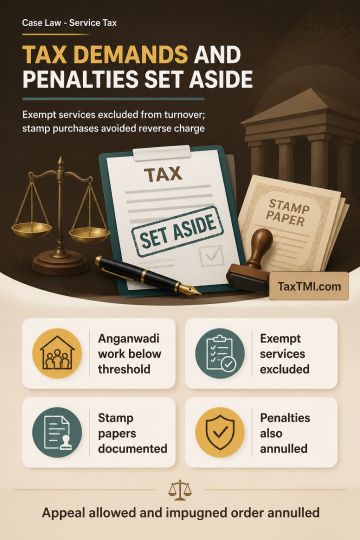
Threshold exemption excludes exempt services, while stamp-paper purchases avoid reverse charge; consequential service tax penalties were also set asid...
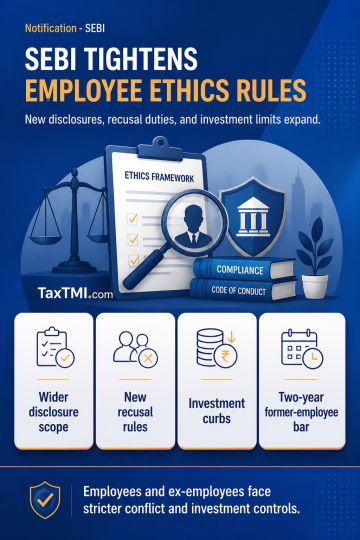
Employee conflict disclosures and investment restrictions expand with new recusal duties, post-employment limits, and compliance reporting requirement...
Rebate received from a bank for payment of excise duty through a corporate card was treated by the AAR as a post-transaction monetary adjustment, not consideration for an identifiable supply of goods or services. Because taxable supply under the GST law requires consideration and a quid pro quo, and the rebate merely reduced the applicant's monetary liability, it fell within a transaction in money and outside the scope of supply. The Authority also noted the arrangement operated as short-term financial accommodation, with the rebate functioning as a discount linked to that facility. The rebate was therefore not liable to GST.
Rebate received from a bank for payment of excise duty through a corporate card was treated by the AAR as a post-transaction monetary adjustment, not consideration for an identifiable supply of goods or services. Because taxable supply under the GST law requires consideration and a quid pro quo, and the rebate merely reduced the applicant's monetary liability, it fell within a transaction in money and outside the scope of supply. The Authority also noted the arrangement operated as short-term financial accommodation, with the rebate functioning as a discount linked to that facility. The rebate was therefore not liable to GST.
Note: It is a system-generated summary and is for quick reference only.
 TaxTMI
  TaxTMI
 of 4819









 Join Channel


