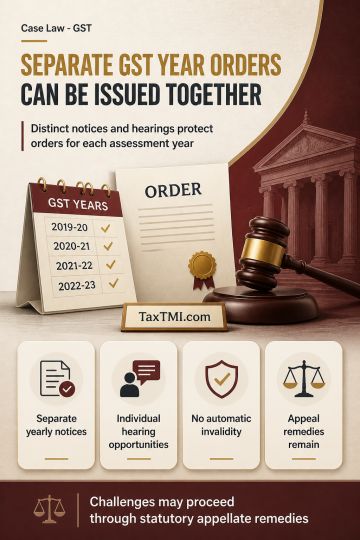
Separate assessment orders for different years remain valid when distinct notices and hearing opportunities prevent prejudice from combined proceeding...
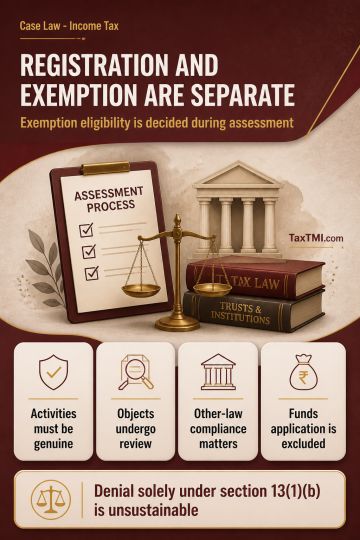
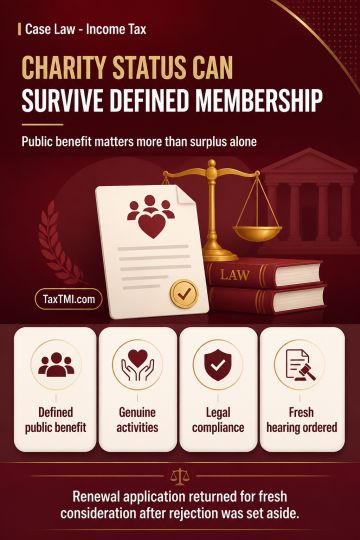
Defined public benefit can retain charitable character; registration renewal requires examining genuine activities and legal compliance, not surplus a...
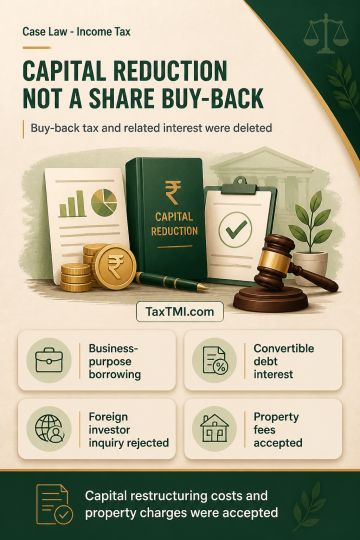
Capital reduction is distinct from share buy-back, preventing buy-back tax; restructuring interest and related business deductions also survive scruti...
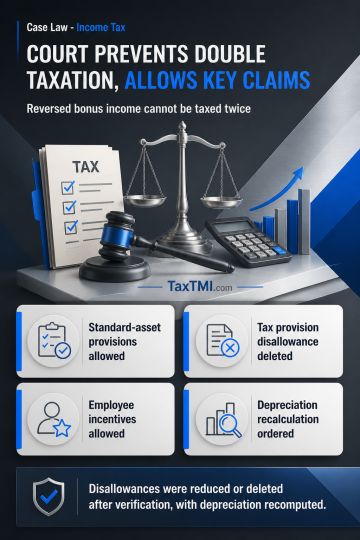
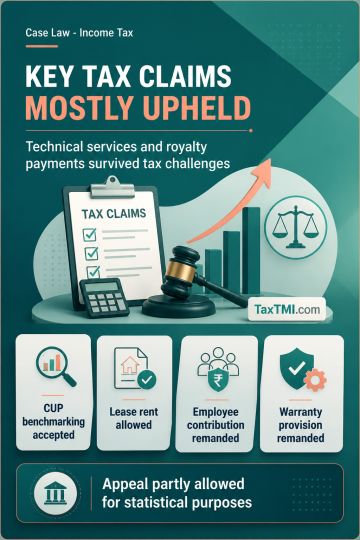
Transfer pricing and tax deductions upheld on established principles, while employee contributions and warranty provisions returned for fresh examinat...
Rebate received from a bank for payment of excise duty through a corporate card was treated by the AAR as a post-transaction monetary adjustment, not consideration for an identifiable supply of goods or services. Because taxable supply under the GST law requires consideration and a quid pro quo, and the rebate merely reduced the applicant's monetary liability, it fell within a transaction in money and outside the scope of supply. The Authority also noted the arrangement operated as short-term financial accommodation, with the rebate functioning as a discount linked to that facility. The rebate was therefore not liable to GST.
Rebate received from a bank for payment of excise duty through a corporate card was treated by the AAR as a post-transaction monetary adjustment, not consideration for an identifiable supply of goods or services. Because taxable supply under the GST law requires consideration and a quid pro quo, and the rebate merely reduced the applicant's monetary liability, it fell within a transaction in money and outside the scope of supply. The Authority also noted the arrangement operated as short-term financial accommodation, with the rebate functioning as a discount linked to that facility. The rebate was therefore not liable to GST.
Note: It is a system-generated summary and is for quick reference only.
 TaxTMI
  TaxTMI
 of 4819






 Join Channel


