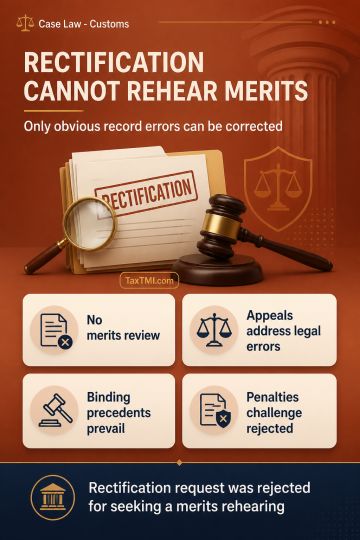
Rectification of mistake remains limited to self-evident record errors, preventing merits review through miscellaneous applications and preserving fin...
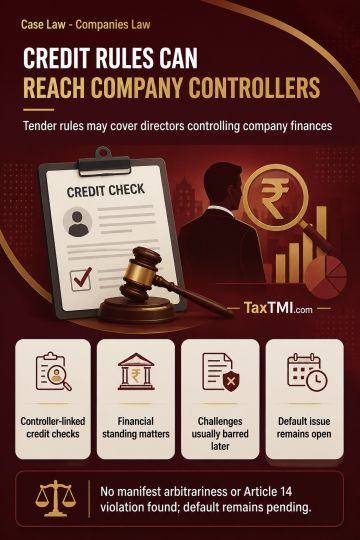
Tender creditworthiness conditions may extend to de facto Promoter Directors, with post-participation challenges generally barred absent arbitrariness...
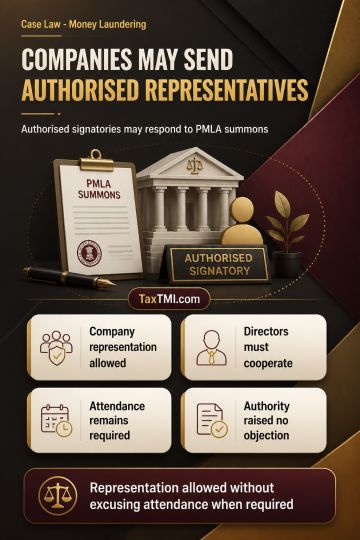
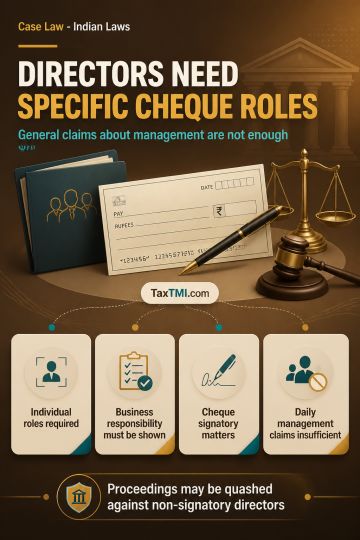
Corporate representation in PMLA summons proceedings permitted through an authorised signatory, subject to directors' continuing cooperation and atten...
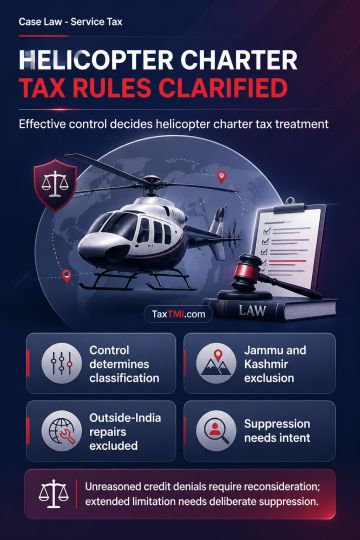
Helicopter charter classification requires effective control analysis, while territorial performance, reasoned credit orders and wilful suppression de...
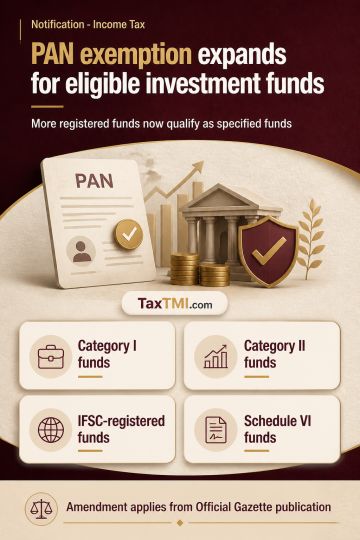
Specified fund definition expands PAN exemption eligibility for registered alternative investment funds and qualifying International Financial Service...
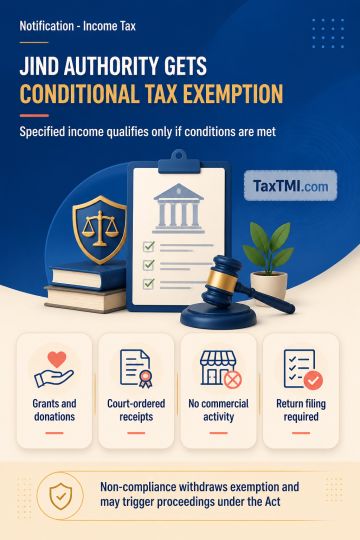
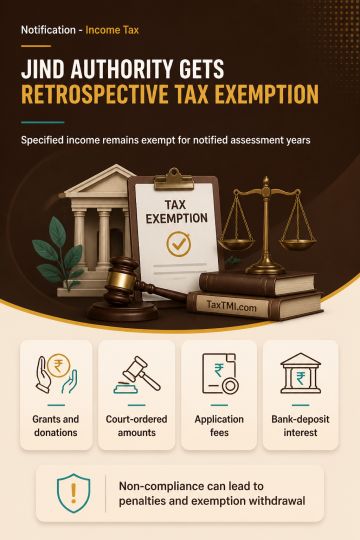
Tax exemption for specified legal-services authority income applies retrospectively, subject to non-commercial activity, unchanged income sources, and...
Seized loose sheets, Rojmel, MITI and related digital records were held to have evidentiary value where the Assessing Officer had correlated them with each other and the assessees showed no specific defect or alternative explanation; retraction affidavits by employees did not neutralise the seized material. The Tribunal also rejected the claim that all entries were mere facilitation passes, holding that some reflected the assessees' own unaccounted sales and cash receipts. Profit, however, had to be estimated on a rational basis rather than guesswork: 4% was applied to undisclosed own transactions and cash sales, and 1.5% to facilitation-based transactions in the LLP matter, while 4% was applied to unaccounted cash sales of the trading concerns.
Seized loose sheets, Rojmel, MITI and related digital records were held to have evidentiary value where the Assessing Officer had correlated them with each other and the assessees showed no specific defect or alternative explanation; retraction affidavits by employees did not neutralise the seized material. The Tribunal also rejected the claim that all entries were mere facilitation passes, holding that some reflected the assessees' own unaccounted sales and cash receipts. Profit, however, had to be estimated on a rational basis rather than guesswork: 4% was applied to undisclosed own transactions and cash sales, and 1.5% to facilitation-based transactions in the LLP matter, while 4% was applied to unaccounted cash sales of the trading concerns.
Note: It is a system-generated summary and is for quick reference only.
 TaxTMI
  TaxTMI
 of 4826



 Join Channel