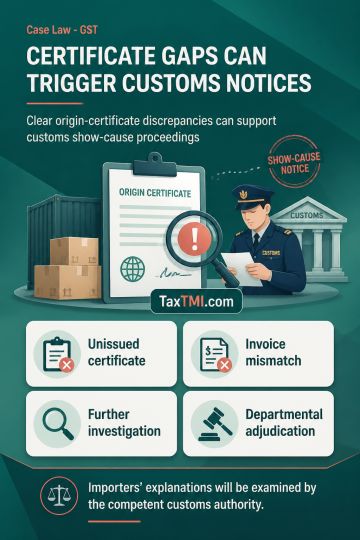
Jurisdictional facts in certificate-of-origin discrepancies can support customs show-cause proceedings, leaving factual explanations for departmental ...
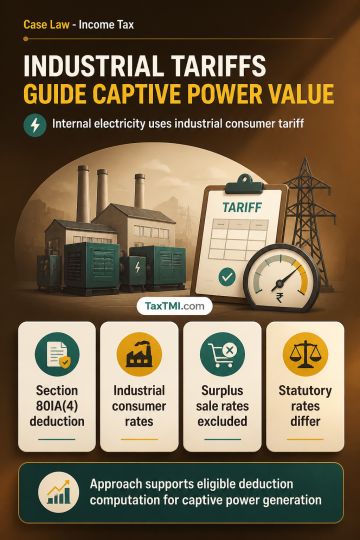
Market value for captive electricity consumption follows industrial consumer tariffs, supporting profit computation for the power generation deduction...
Statements recorded under Customs Act, 1962 Section 108 were treated as sufficient to sustain confiscation where the appellant and vehicle drivers admitted that peas were brought from Nepal through unauthorised routes, and those statements were neither retracted nor discredited. The later claim of lawful import or local purchase was rejected because it was inconsistent and unsupported by purchase or payment records, so the confiscation of the seized peas was upheld. Penalty under Section 112(b), however, required a finding of mens rea; as no authority had recorded guilty knowledge or intention, the penalty was set aside despite the confiscation finding.
Statements recorded under Customs Act, 1962 Section 108 were treated as sufficient to sustain confiscation where the appellant and vehicle drivers admitted that peas were brought from Nepal through unauthorised routes, and those statements were neither retracted nor discredited. The later claim of lawful import or local purchase was rejected because it was inconsistent and unsupported by purchase or payment records, so the confiscation of the seized peas was upheld. Penalty under Section 112(b), however, required a finding of mens rea; as no authority had recorded guilty knowledge or intention, the penalty was set aside despite the confiscation finding.
Note: It is a system-generated summary and is for quick reference only.
 TaxTMI
  TaxTMI
 of 4819






 Join Channel


