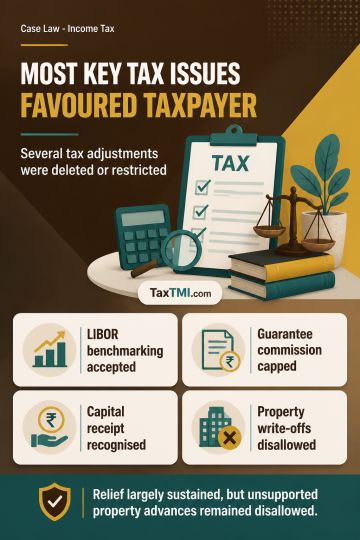
Transfer-pricing benchmarking and capital-receipt principles sustained taxpayer relief, while unsupported property-advance write-offs remained disallo...
Pre-existing operational debt disputes require genuine evidence, while undirected running-account payments may be appropriated on a first-in-first-out...
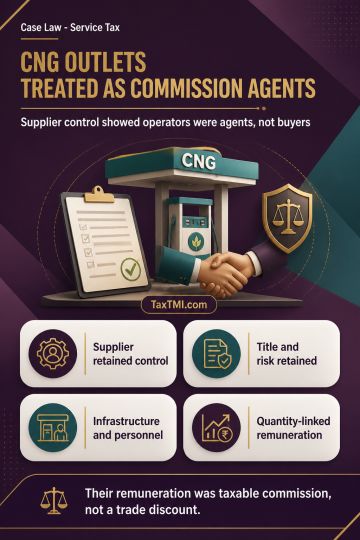
Agency in CNG distribution makes outlet operators commission agents, rendering taxable Business Auxiliary Service rather than purchasing goods for res...
Withdrawal of a Section 9 insolvency petition on the basis of settlement brings the lis to an end, and restoration is not maintainable unless the withdrawal order expressly reserves that liberty. The NCLAT held that a settlement, once acted on through consensual withdrawal, is executable as a concluded arrangement, but the law of restoration applicable to dismissed-for-default matters does not apply. Breach of settlement terms does not amount to a fresh operational debt default justifying revival of the concluded insolvency proceeding; the proper remedy lies in enforcement or recovery before the appropriate forum in accordance with law. The appeal against rejection of restoration was therefore upheld.
Withdrawal of a Section 9 insolvency petition on the basis of settlement brings the lis to an end, and restoration is not maintainable unless the withdrawal order expressly reserves that liberty. The NCLAT held that a settlement, once acted on through consensual withdrawal, is executable as a concluded arrangement, but the law of restoration applicable to dismissed-for-default matters does not apply. Breach of settlement terms does not amount to a fresh operational debt default justifying revival of the concluded insolvency proceeding; the proper remedy lies in enforcement or recovery before the appropriate forum in accordance with law. The appeal against rejection of restoration was therefore upheld.
Note: It is a system-generated summary and is for quick reference only.
 TaxTMI
  TaxTMI
 of 4826










 Join Channel