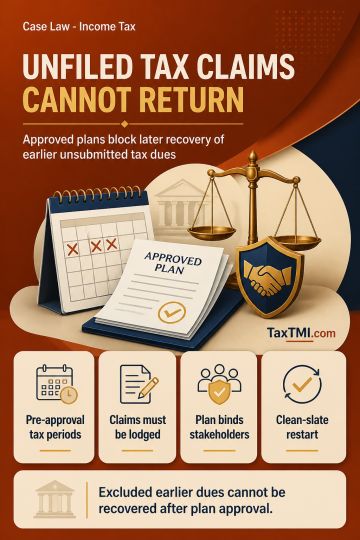
Approved resolution plans extinguish unsubmitted pre-approval tax claims, preventing later recovery outside the insolvency process and preserving a cl...
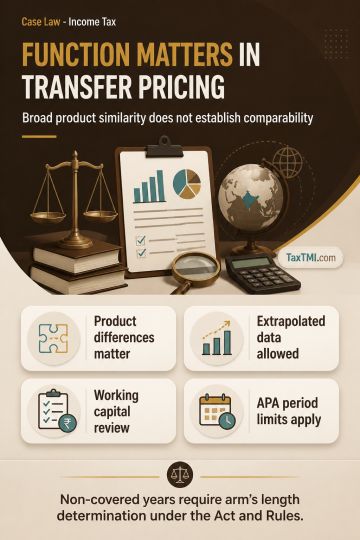
Transfer pricing comparability requires functional alignment and permits working capital adjustment, while APA margins cannot govern non-covered years...
Treaty benefit, goodwill depreciation and hedging costs: export commission disallowed, while key business deductions and depreciation claims succeeded...
Withdrawal of a Section 9 insolvency petition on the basis of settlement brings the lis to an end, and restoration is not maintainable unless the withdrawal order expressly reserves that liberty. The NCLAT held that a settlement, once acted on through consensual withdrawal, is executable as a concluded arrangement, but the law of restoration applicable to dismissed-for-default matters does not apply. Breach of settlement terms does not amount to a fresh operational debt default justifying revival of the concluded insolvency proceeding; the proper remedy lies in enforcement or recovery before the appropriate forum in accordance with law. The appeal against rejection of restoration was therefore upheld.
Withdrawal of a Section 9 insolvency petition on the basis of settlement brings the lis to an end, and restoration is not maintainable unless the withdrawal order expressly reserves that liberty. The NCLAT held that a settlement, once acted on through consensual withdrawal, is executable as a concluded arrangement, but the law of restoration applicable to dismissed-for-default matters does not apply. Breach of settlement terms does not amount to a fresh operational debt default justifying revival of the concluded insolvency proceeding; the proper remedy lies in enforcement or recovery before the appropriate forum in accordance with law. The appeal against rejection of restoration was therefore upheld.
Note: It is a system-generated summary and is for quick reference only.
 TaxTMI
  TaxTMI
 of 4826





 Join Channel


