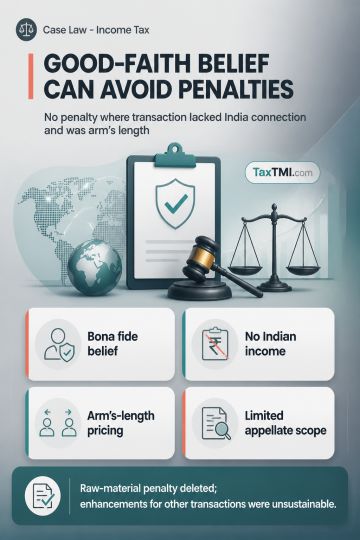
Additional evidence in transfer pricing dispute leads to fresh examination, while tax deductions, TDS credit, fee and refund interest require verifica...
Category II AIF pass-through taxation preserves non-business income character; investment receipts cannot be reclassified without applying recognised ...
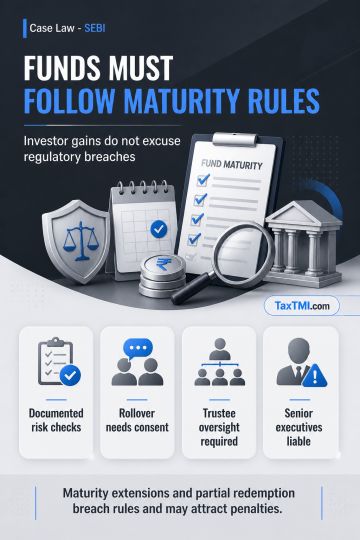
Mutual fund maturity rules require proper rollover, redemption, disclosure, and due diligence; investor gains cannot excuse regulatory breaches or pen...
Threshold exemption excludes exempt services, while stamp-paper purchases avoid reverse charge; consequential service tax penalties were also set asid...
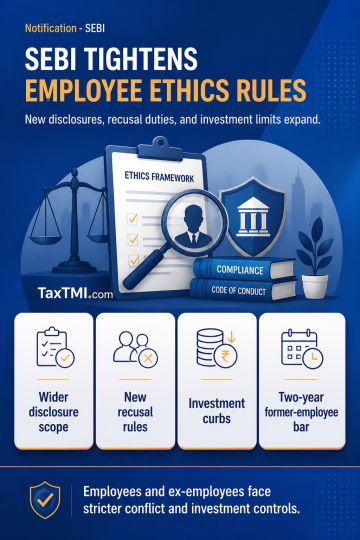
Employee conflict disclosures and investment restrictions expand with new recusal duties, post-employment limits, and compliance reporting requirement...
A liquidation claim filed after a 787-day delay was rejected because Regulation 12(2)(b) requires claims to be lodged or updated within the prescribed time, and insolvency law treats timeliness as central to the liquidation process. Even if the timeline were treated as directory, an inordinate delay still needed a satisfactory explanation, which was absent here. The pendency or abatement of customs proceedings did not bar filing the claim before the liquidator, and a government department was not entitled to any special indulgence in condonation of delay. Entertaining the belated claim at an advanced stage would disrupt the liquidation process, so the rejection was upheld.
A liquidation claim filed after a 787-day delay was rejected because Regulation 12(2)(b) requires claims to be lodged or updated within the prescribed time, and insolvency law treats timeliness as central to the liquidation process. Even if the timeline were treated as directory, an inordinate delay still needed a satisfactory explanation, which was absent here. The pendency or abatement of customs proceedings did not bar filing the claim before the liquidator, and a government department was not entitled to any special indulgence in condonation of delay. Entertaining the belated claim at an advanced stage would disrupt the liquidation process, so the rejection was upheld.
Note: It is a system-generated summary and is for quick reference only.
 TaxTMI
  TaxTMI
 of 4821
















 Join Channel


