Preliminary-expense amortisation and MAT exempt-income adjustments prevailed, while trademark costs and managerial remuneration require fresh verifica...
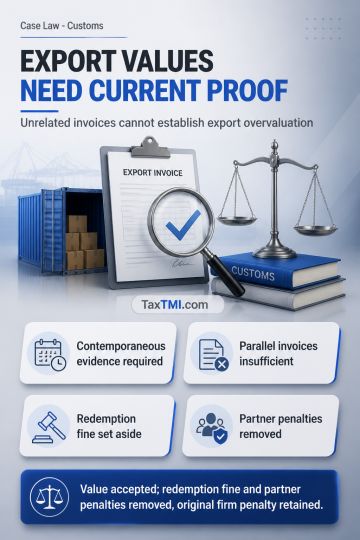
Export valuation requires contemporaneous evidence; unrelated invoices cannot prove overvaluation, and dual penalties on firm and partner are impermis...
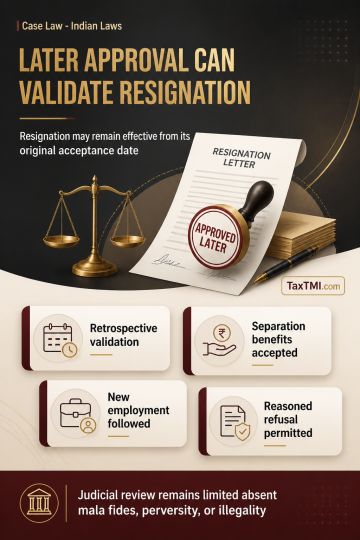
Ratification of resignation acceptance validates separation retrospectively, while withdrawal may be refused through reasoned administrative discretio...
Nature-dependent electricity contracts receive new Ind AS accounting, hedge designation, transition and financial-statement disclosure requirements fr...
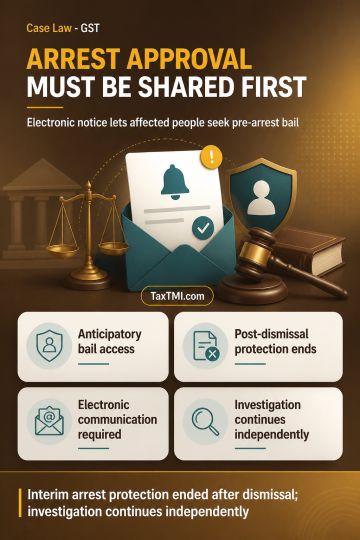
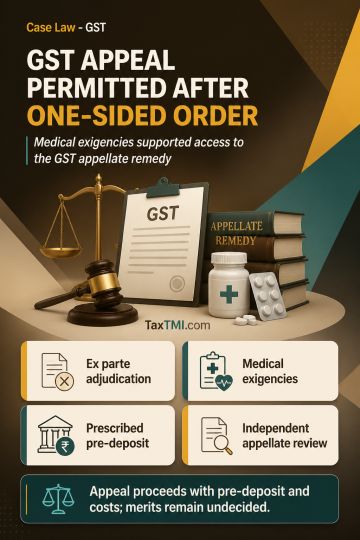
Alternative GST remedy permitted protective writ intervention for ex parte adjudication, preserving independent appellate review of input tax credit d...
A liquidation claim filed after a 787-day delay was rejected because Regulation 12(2)(b) requires claims to be lodged or updated within the prescribed time, and insolvency law treats timeliness as central to the liquidation process. Even if the timeline were treated as directory, an inordinate delay still needed a satisfactory explanation, which was absent here. The pendency or abatement of customs proceedings did not bar filing the claim before the liquidator, and a government department was not entitled to any special indulgence in condonation of delay. Entertaining the belated claim at an advanced stage would disrupt the liquidation process, so the rejection was upheld.
A liquidation claim filed after a 787-day delay was rejected because Regulation 12(2)(b) requires claims to be lodged or updated within the prescribed time, and insolvency law treats timeliness as central to the liquidation process. Even if the timeline were treated as directory, an inordinate delay still needed a satisfactory explanation, which was absent here. The pendency or abatement of customs proceedings did not bar filing the claim before the liquidator, and a government department was not entitled to any special indulgence in condonation of delay. Entertaining the belated claim at an advanced stage would disrupt the liquidation process, so the rejection was upheld.
Note: It is a system-generated summary and is for quick reference only.
 TaxTMI
  TaxTMI
 of 4830











 Join Channel