Category II AIF pass-through taxation preserves non-business income character; investment receipts cannot be reclassified without applying recognised ...
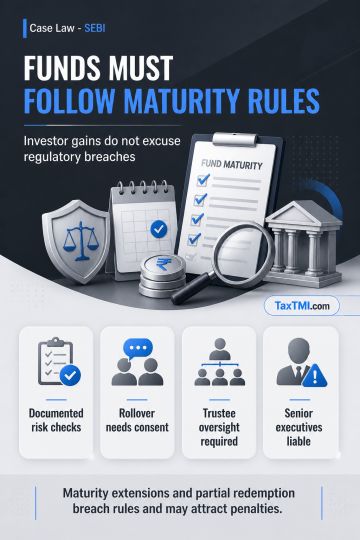
Mutual fund maturity rules require proper rollover, redemption, disclosure, and due diligence; investor gains cannot excuse regulatory breaches or pen...
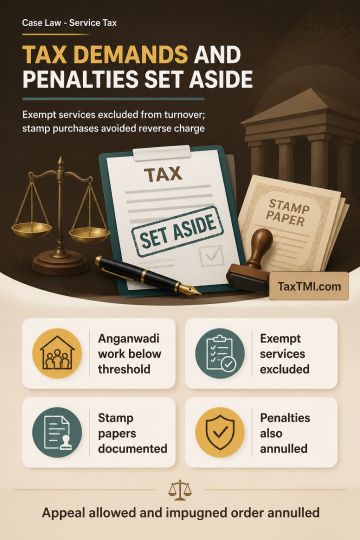
Threshold exemption excludes exempt services, while stamp-paper purchases avoid reverse charge; consequential service tax penalties were also set asid...
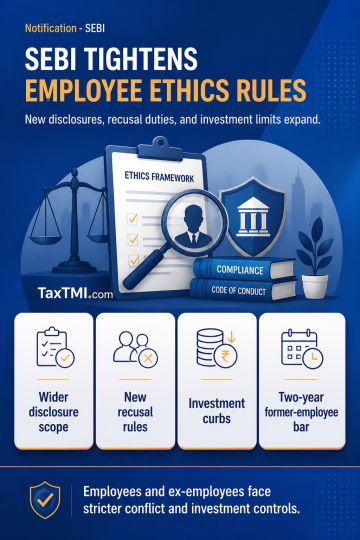
Employee conflict disclosures and investment restrictions expand with new recusal duties, post-employment limits, and compliance reporting requirement...
ITAT held that depreciation on goodwill arising from amalgamation remained allowable where the claim concerned the same block of intangible asset already accepted in the foundational year, with no new goodwill or distinguishing change shown. It further held that reassessment was barred by limitation under the post-Ashish Agarwal and TOLA framework because the section 148 notice was issued beyond the surviving period, making the reassessment invalid. The Tribunal also affirmed that assessment framed in the name of a company which had already converted into an LLP was a nullity for want of jurisdiction. Finally, it upheld deletion of the section 14A disallowance because the Assessing Officer invoked Rule 8D without first recording the mandatory dissatisfaction under section 14A(2).
ITAT held that depreciation on goodwill arising from amalgamation remained allowable where the claim concerned the same block of intangible asset already accepted in the foundational year, with no new goodwill or distinguishing change shown. It further held that reassessment was barred by limitation under the post-Ashish Agarwal and TOLA framework because the section 148 notice was issued beyond the surviving period, making the reassessment invalid. The Tribunal also affirmed that assessment framed in the name of a company which had already converted into an LLP was a nullity for want of jurisdiction. Finally, it upheld deletion of the section 14A disallowance because the Assessing Officer invoked Rule 8D without first recording the mandatory dissatisfaction under section 14A(2).
Note: It is a system-generated summary and is for quick reference only.
 TaxTMI
  TaxTMI
 of 4824














 Join Channel


