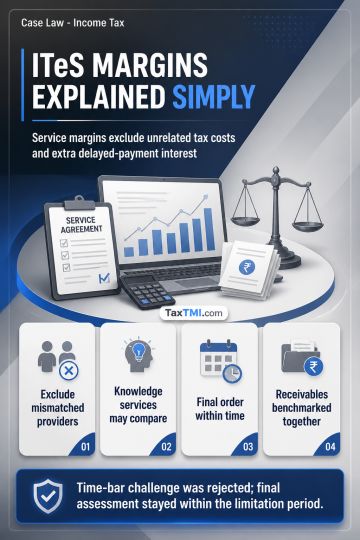
Transfer-pricing treatment of ITeS margins excludes pass-through tax recoveries and separate delayed-receivables interest after working-capital adjust...
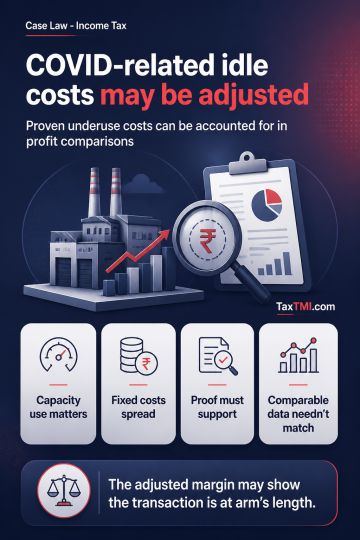
Capacity-utilisation adjustments under TNMM can neutralise substantiated COVID-related idle costs where underutilisation materially affects profitabil...
TNMM functional comparability requires excluding rice manufacturers from a pure Basmati rice trader's benchmark and recognising operating export recei...
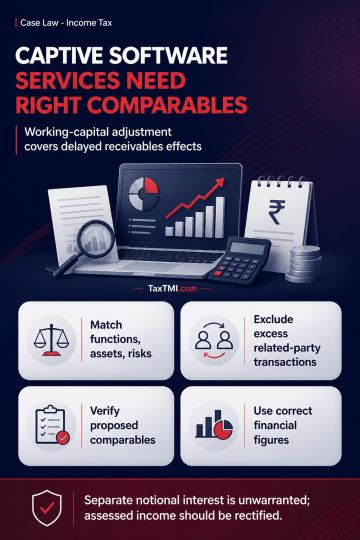
Working-capital adjustment subsumes delayed-receivable effects in TNMM benchmarking of captive software-development services, avoiding separate notion...
Transfer-pricing comparability requires exclusion of financially illogical super-profit comparables and correction of unsupported annual-report and ma...
Charitable character assessment preserves Section 80G approval despite inclusive spiritual teachings and incidental religious expenditure within the s...
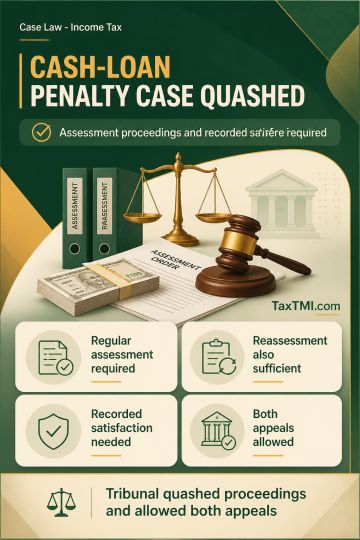
Penalty proceedings for cash-loan acceptance require assessment proceedings and recorded Assessing Officer satisfaction; absent these, the proceedings...
Page of 4828
Press 'Enter' after typing page number.
161 to 180 of 96556 Results
❮
❯
❯❯
0 / 200
Expand Note
Add to Folder
No Folders have been created
+
Are you sure you want to delete "My most important" ?
NCLAT held that proceedings concerning an alleged company deposit under Sections 73(4) and 74(1) of the Companies Act, 2013 could be examined by the NCLT on their own merits despite pending probate proceedings, because the tribunal had jurisdiction over whether the deposit was made, the amount due, and its proper safekeeping. The earlier appellate order was confined to substitution of the deceased petitioner and did not bar adjudication of the deposit dispute. It further held that claimant-beneficiaries may prosecute limited protective proceedings for preservation of the estate before probate is granted, and that Section 213 of the Indian Succession Act does not bar such protective relief.
NCLAT held that proceedings concerning an alleged company deposit under Sections 73(4) and 74(1) of the Companies Act, 2013 could be examined by the NCLT on their own merits despite pending probate proceedings, because the tribunal had jurisdiction over whether the deposit was made, the amount due, and its proper safekeeping. The earlier appellate order was confined to substitution of the deceased petitioner and did not bar adjudication of the deposit dispute. It further held that claimant-beneficiaries may prosecute limited protective proceedings for preservation of the estate before probate is granted, and that Section 213 of the Indian Succession Act does not bar such protective relief.
Note: It is a system-generated summary and is for quick reference only.
 TaxTMI
  TaxTMI
 of 4828











 Join Channel