Minimum alternate tax exclusions for pre-amendment banking companies and expatriate Indian branch salaries remain outside head office expenditure limi...
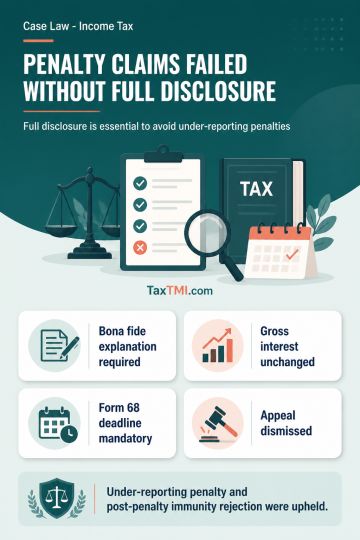
Bona fide disclosure requirements govern under-reporting penalties, and post-penalty immunity applications cannot secure available statutory protectio...
An unregistered assignment deed was treated as sufficient prima facie basis for substitution of the assignee in proceedings, because permitting the assignee to contest the matter was considered a collateral purpose distinct from determining the deed's validity or transfer effect. Relying on the principle that an unregistered document may be read for a collateral purpose, the Tribunal left all objections under Sections 17 and 49 of the Registration Act open for decision in the main company petition. The substitution of the assignee was therefore maintained, while the challenge to the assignment deed's admissibility, enforceability and legal effect was reserved for final adjudication.
An unregistered assignment deed was treated as sufficient prima facie basis for substitution of the assignee in proceedings, because permitting the assignee to contest the matter was considered a collateral purpose distinct from determining the deed's validity or transfer effect. Relying on the principle that an unregistered document may be read for a collateral purpose, the Tribunal left all objections under Sections 17 and 49 of the Registration Act open for decision in the main company petition. The substitution of the assignee was therefore maintained, while the challenge to the assignment deed's admissibility, enforceability and legal effect was reserved for final adjudication.
Note: It is a system-generated summary and is for quick reference only.
 TaxTMI
  TaxTMI
 of 4826













 Join Channel


