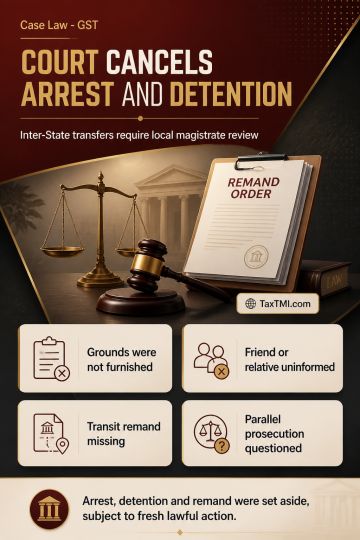
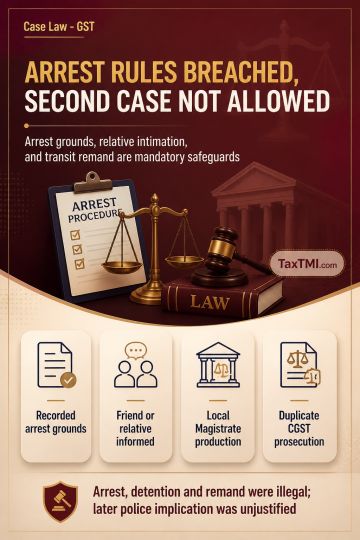
Arrest safeguards and transit remand requirements invalidated detention following inter-State transfer without communicated grounds or magistrate auth...
Arrest safeguards require disclosed grounds, relative intimation and transit remand, while duplicate prosecution under the CGST framework is unsustain...
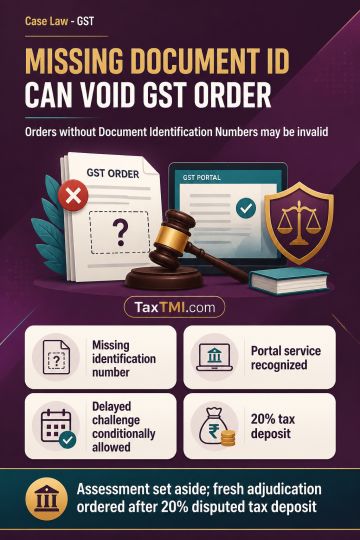
Document Identification Number defects can invalidate GST assessments, with delayed challenges entertained conditionally where patent irregularities e...
Windmill commissioning evidence supported higher depreciation where grid connection and electricity generation proved operational use before the relev...
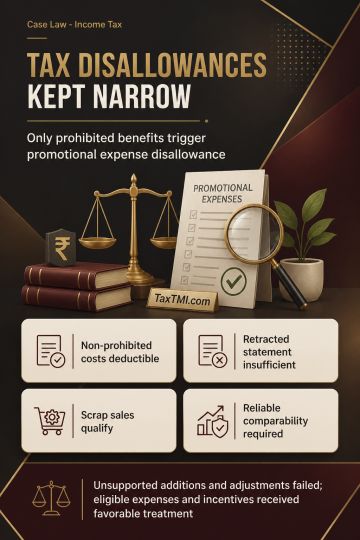
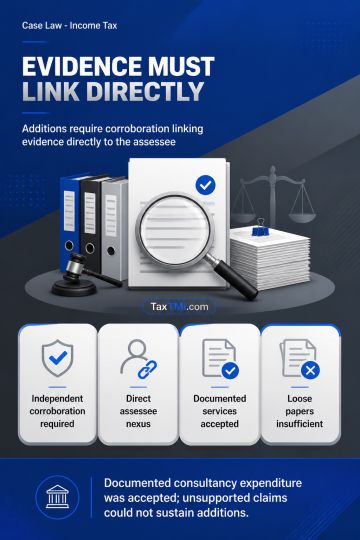
Pharmaceutical promotion and transfer-pricing comparability principles limited disallowances, while uncorroborated search allegations and unsupported ...
Tax liability arising during CIRP was not extinguished by the approved resolution plan, because the plan showed awareness of pending tax compliances, the NCLT did not grant a blanket waiver of statutory dues, and reliefs were left to the appropriate forum. The Court held that the clean slate principle and the Supreme Court rulings in Essar Steel and Ghanashyam Mishra applied to pre-CIRP dues, not liabilities incurred during CIRP; the reassessment challenge therefore failed. On delayed return filing and carry forward of losses, the petitioner was required to seek condonation under the statutory mechanism, including CBDT action under section 119(2)(b), and could not obtain such relief in writ proceedings. The writ petition was dismissed.
Tax liability arising during CIRP was not extinguished by the approved resolution plan, because the plan showed awareness of pending tax compliances, the NCLT did not grant a blanket waiver of statutory dues, and reliefs were left to the appropriate forum. The Court held that the clean slate principle and the Supreme Court rulings in Essar Steel and Ghanashyam Mishra applied to pre-CIRP dues, not liabilities incurred during CIRP; the reassessment challenge therefore failed. On delayed return filing and carry forward of losses, the petitioner was required to seek condonation under the statutory mechanism, including CBDT action under section 119(2)(b), and could not obtain such relief in writ proceedings. The writ petition was dismissed.
Note: It is a system-generated summary and is for quick reference only.
 TaxTMI
  TaxTMI
 of 4828











 Join Channel


