Specified fund definition expands PAN exemption eligibility for registered alternative investment funds and qualifying International Financial Service...
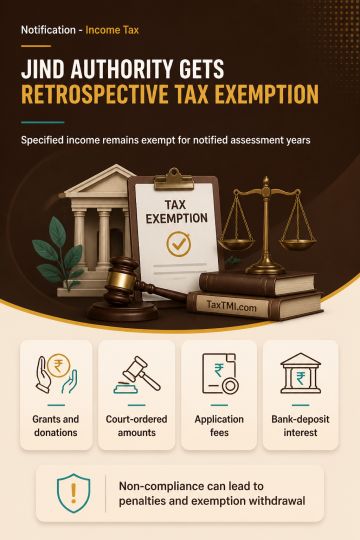
Tax exemption for specified legal-services authority income applies retrospectively, subject to non-commercial activity, unchanged income sources, and...
Approved resolution plans extinguish unsubmitted pre-approval tax claims, preventing later recovery outside the insolvency process and preserving a cl...
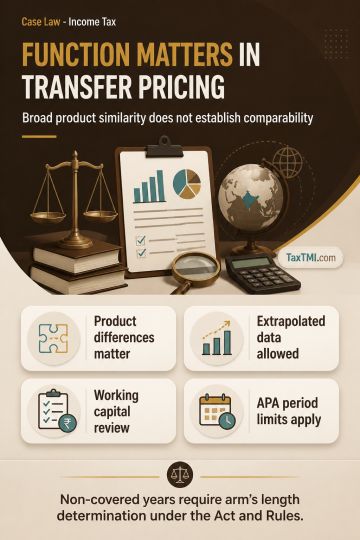
Transfer pricing comparability requires functional alignment and permits working capital adjustment, while APA margins cannot govern non-covered years...
Inordinate delay in filing the first appeal was condoned because...
Liberal construction of sufficient cause justifies condonation of inordinate delay where criminal proceedings and jail confinement explained the default.
Contents
Summary
Note
Bookmark
Share
✓ Copied successfully !
Print
Print Options
For full text, please login
Login to TaxTMI
Verification Pending
The Email Id has not been verified. Click on the link we have sent on
Inordinate delay in filing the first appeal was condoned because the controlling test was the acceptability of the explanation, not the length of delay alone. Applying a liberal construction of "sufficient cause", the Tribunal accepted that multiple pending criminal proceedings and the assessee's confinement in jail were circumstances beyond his control. Refusal to condone would have shut out adjudication on merits, so the dismissal of the appeal on limitation was not sustained. The matter was restored to the CIT(A) for disposal on merits after giving the assessee a reasonable opportunity.
Inordinate delay in filing the first appeal was condoned because the controlling test was the acceptability of the explanation, not the length of delay alone. Applying a liberal construction of "sufficient cause", the Tribunal accepted that multiple pending criminal proceedings and the assessee's confinement in jail were circumstances beyond his control. Refusal to condone would have shut out adjudication on merits, so the dismissal of the appeal on limitation was not sustained. The matter was restored to the CIT(A) for disposal on merits after giving the assessee a reasonable opportunity.
Note: It is a system-generated summary and is for quick reference only.
 TaxTMI
  TaxTMI
 of 4828

















 Join Channel


