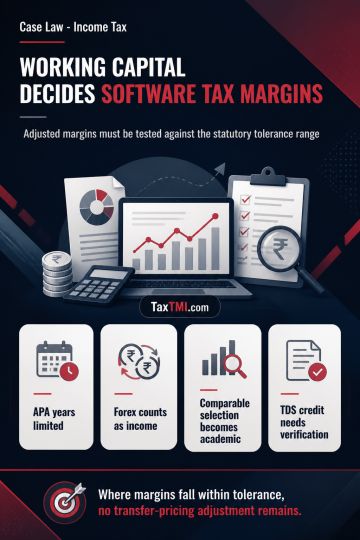
Working-capital adjustment determines whether software-services transfer-pricing margins fall within the statutory tolerance range, eliminating any ad...
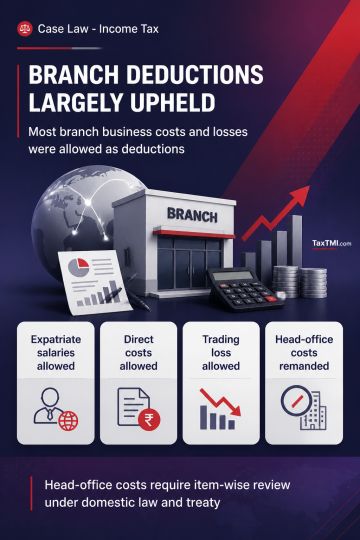
Permanent establishment deductions upheld for expatriate salaries, direct costs and trading losses, while head-office costs require fresh classificati...
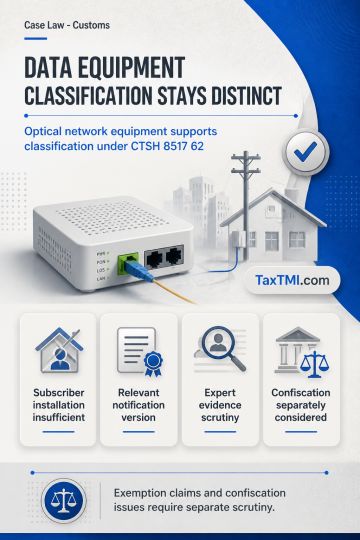
Data transmission equipment classification under CTSH 8517 62 remains distinct from residual classification, with exemption evidence requiring scrutin...
The Company Court's jurisdiction was treated as surviving after a winding-up order, because post-winding-up arrangements that displaced the Official Liquidator's control could still be examined and, if necessary, undone under the court's inherent powers and the Companies Act, 1956. The challenge based on delay was not held to be fatal at this stage, as the alleged fraud and continuing acts were treated prima facie as giving rise to a continuing cause of action, leaving limitation for final determination. Ad interim stay was refused on balance of convenience, absence of a meaningful change in circumstances, and judicial propriety.
The Company Court's jurisdiction was treated as surviving after a winding-up order, because post-winding-up arrangements that displaced the Official Liquidator's control could still be examined and, if necessary, undone under the court's inherent powers and the Companies Act, 1956. The challenge based on delay was not held to be fatal at this stage, as the alleged fraud and continuing acts were treated prima facie as giving rise to a continuing cause of action, leaving limitation for final determination. Ad interim stay was refused on balance of convenience, absence of a meaningful change in circumstances, and judicial propriety.
Note: It is a system-generated summary and is for quick reference only.
 TaxTMI
 of 4796






 Join Channel


 TaxTMI
