Additional evidence in transfer pricing dispute leads to fresh examination, while tax deductions, TDS credit, fee and refund interest require verifica...
Category II AIF pass-through taxation preserves non-business income character; investment receipts cannot be reclassified without applying recognised ...
Mutual fund maturity rules require proper rollover, redemption, disclosure, and due diligence; investor gains cannot excuse regulatory breaches or pen...
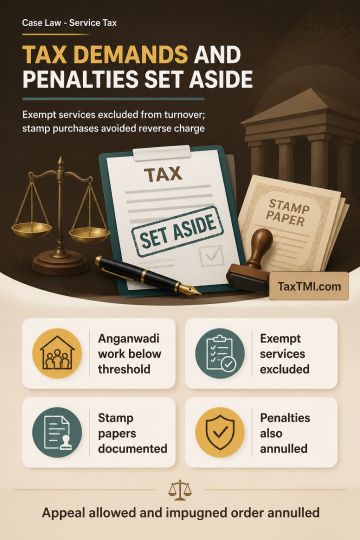
Threshold exemption excludes exempt services, while stamp-paper purchases avoid reverse charge; consequential service tax penalties were also set asid...
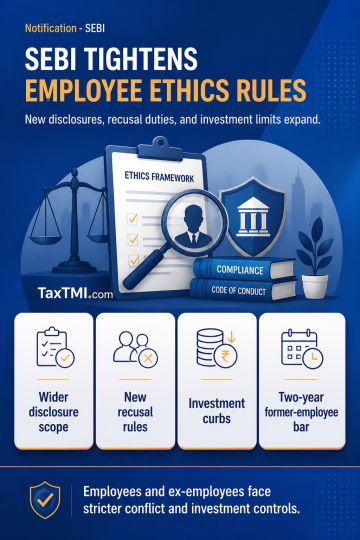
Employee conflict disclosures and investment restrictions expand with new recusal duties, post-employment limits, and compliance reporting requirement...
Naphtha procured under exemption notifications for use in the manufacture of fertilizer or ammonia qualified for concessional or nil duty when the goods were intended for that use, even if a portion of the input was diverted to electricity generation that also supported the fertiliser plant. The Court held that the notifications required proof of intended use, not exclusive actual end-use in every downstream stage, so the duty demand on alleged non-eligible use failed. On limitation, extended period invocation required deliberate suppression, fraud, collusion, wilful misstatement, or contravention with intent to evade duty; those elements were absent, the matter was interpretational, and the dispute was revenue neutral. The demand and penalty were therefore time-barred.
Naphtha procured under exemption notifications for use in the manufacture of fertilizer or ammonia qualified for concessional or nil duty when the goods were intended for that use, even if a portion of the input was diverted to electricity generation that also supported the fertiliser plant. The Court held that the notifications required proof of intended use, not exclusive actual end-use in every downstream stage, so the duty demand on alleged non-eligible use failed. On limitation, extended period invocation required deliberate suppression, fraud, collusion, wilful misstatement, or contravention with intent to evade duty; those elements were absent, the matter was interpretational, and the dispute was revenue neutral. The demand and penalty were therefore time-barred.
Note: It is a system-generated summary and is for quick reference only.
 TaxTMI
  TaxTMI
 of 4821














 Join Channel


