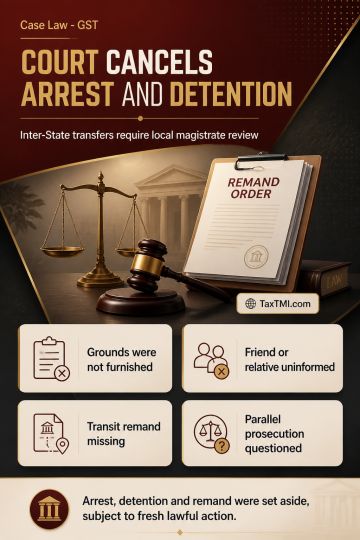
Arrest safeguards and transit remand requirements invalidated detention following inter-State transfer without communicated grounds or magistrate auth...
Arrest safeguards require disclosed grounds, relative intimation and transit remand, while duplicate prosecution under the CGST framework is unsustain...
Document Identification Number defects can invalidate GST assessments, with delayed challenges entertained conditionally where patent irregularities e...
Windmill commissioning evidence supported higher depreciation where grid connection and electricity generation proved operational use before the relev...
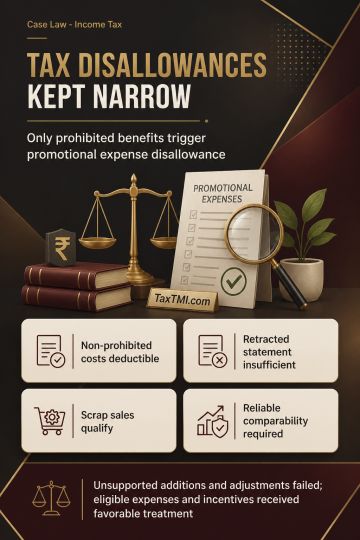
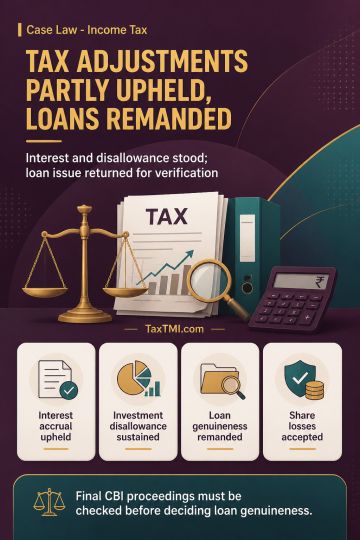
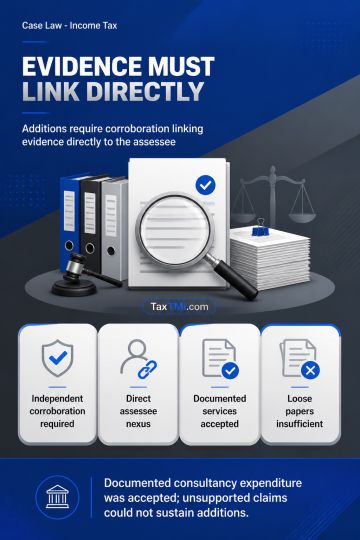
Pharmaceutical promotion and transfer-pricing comparability principles limited disallowances, while uncorroborated search allegations and unsupported ...
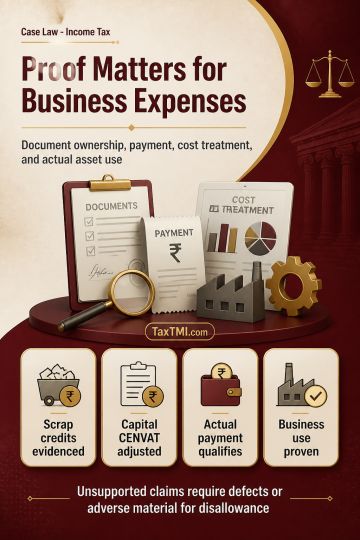
Business expenditure substantiation supports scrap credits, statutory payments and expense claims, while depreciation requires proof of actual busines...
Naphtha procured under exemption notifications for use in the manufacture of fertilizer or ammonia qualified for concessional or nil duty when the goods were intended for that use, even if a portion of the input was diverted to electricity generation that also supported the fertiliser plant. The Court held that the notifications required proof of intended use, not exclusive actual end-use in every downstream stage, so the duty demand on alleged non-eligible use failed. On limitation, extended period invocation required deliberate suppression, fraud, collusion, wilful misstatement, or contravention with intent to evade duty; those elements were absent, the matter was interpretational, and the dispute was revenue neutral. The demand and penalty were therefore time-barred.
Naphtha procured under exemption notifications for use in the manufacture of fertilizer or ammonia qualified for concessional or nil duty when the goods were intended for that use, even if a portion of the input was diverted to electricity generation that also supported the fertiliser plant. The Court held that the notifications required proof of intended use, not exclusive actual end-use in every downstream stage, so the duty demand on alleged non-eligible use failed. On limitation, extended period invocation required deliberate suppression, fraud, collusion, wilful misstatement, or contravention with intent to evade duty; those elements were absent, the matter was interpretational, and the dispute was revenue neutral. The demand and penalty were therefore time-barred.
Note: It is a system-generated summary and is for quick reference only.
 TaxTMI
  TaxTMI
 of 4817















 Join Channel