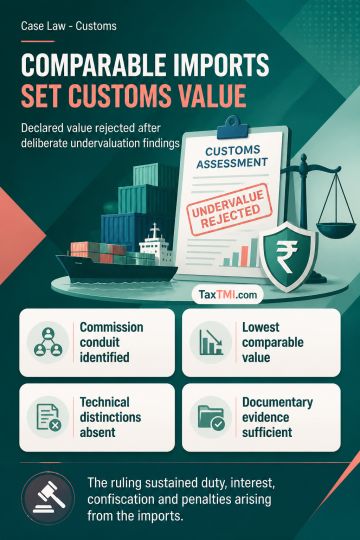
Transaction value rejection requires reliable corroboration; refundable VAT is excluded and temporary registration does not defeat new-vehicle exempti...
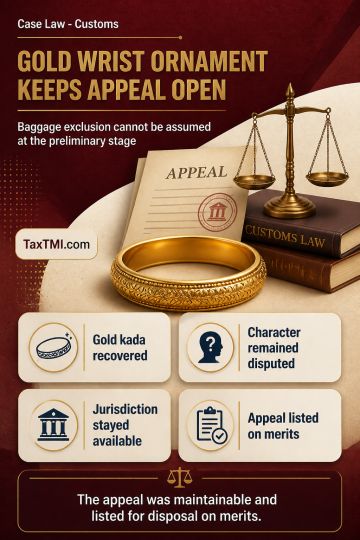
Appellate jurisdiction remains available where a wrist-worn gold ornament cannot conclusively be characterised as imported baggage at the preliminary ...
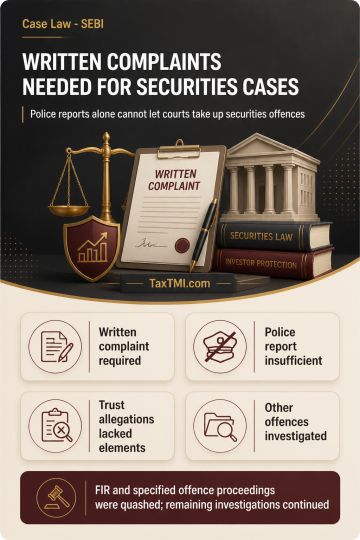
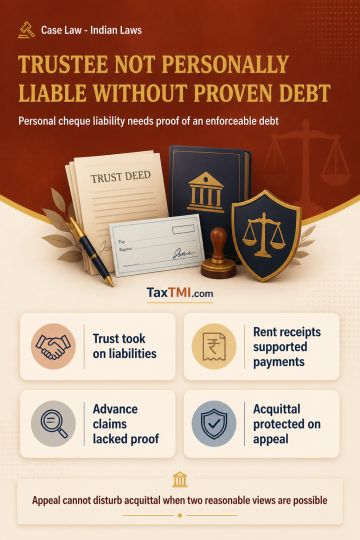
Written complaint requirement bars cognizance on police reports for securities offences, while unsupported breach of trust and cheating allegations fa...
Risk-based postal import clearance standardises electronic assessment, document requests, duty realisation and delivery controls at Foreign Post Offic...
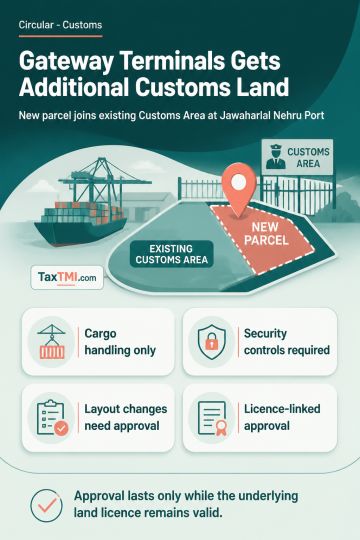
Customs Cargo Service Provider appointment extends custodianship to additional terminal land, subject to cargo-control, security and licence condition...
Naphtha procured under exemption notifications for use in the manufacture of fertilizer or ammonia qualified for concessional or nil duty when the goods were intended for that use, even if a portion of the input was diverted to electricity generation that also supported the fertiliser plant. The Court held that the notifications required proof of intended use, not exclusive actual end-use in every downstream stage, so the duty demand on alleged non-eligible use failed. On limitation, extended period invocation required deliberate suppression, fraud, collusion, wilful misstatement, or contravention with intent to evade duty; those elements were absent, the matter was interpretational, and the dispute was revenue neutral. The demand and penalty were therefore time-barred.
Naphtha procured under exemption notifications for use in the manufacture of fertilizer or ammonia qualified for concessional or nil duty when the goods were intended for that use, even if a portion of the input was diverted to electricity generation that also supported the fertiliser plant. The Court held that the notifications required proof of intended use, not exclusive actual end-use in every downstream stage, so the duty demand on alleged non-eligible use failed. On limitation, extended period invocation required deliberate suppression, fraud, collusion, wilful misstatement, or contravention with intent to evade duty; those elements were absent, the matter was interpretational, and the dispute was revenue neutral. The demand and penalty were therefore time-barred.
Note: It is a system-generated summary and is for quick reference only.
 TaxTMI
  TaxTMI
 of 4811







 Join Channel