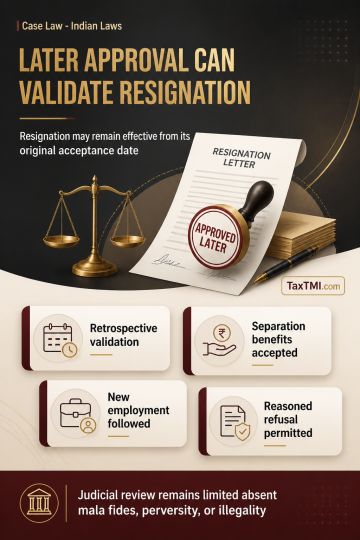
Ratification of resignation acceptance validates separation retrospectively, while withdrawal may be refused through reasoned administrative discretio...
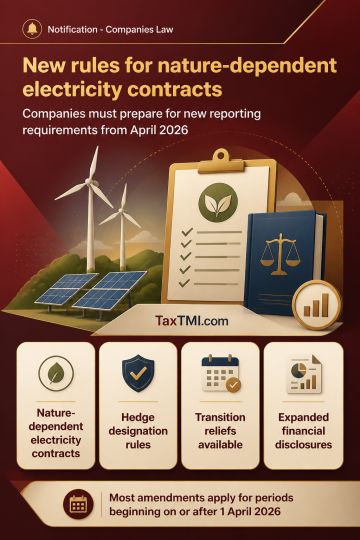
Nature-dependent electricity contracts receive new Ind AS accounting, hedge designation, transition and financial-statement disclosure requirements fr...
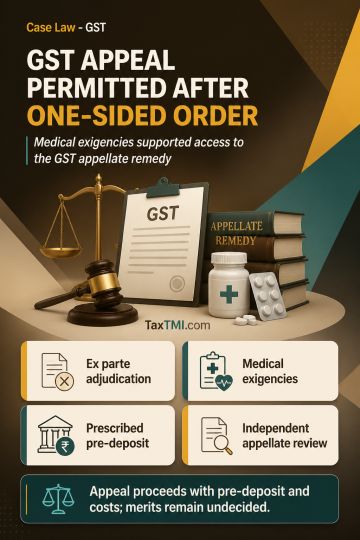
Alternative GST remedy permitted protective writ intervention for ex parte adjudication, preserving independent appellate review of input tax credit d...
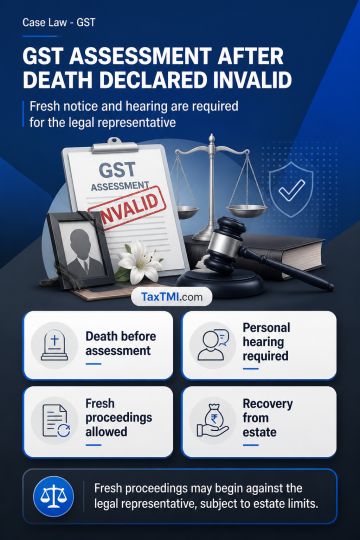
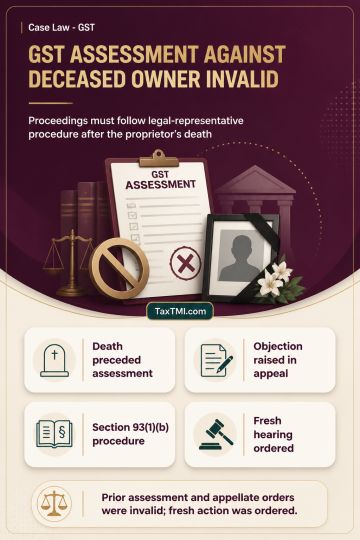
Assessment against deceased sole proprietor requires proceedings against the legal representative, rendering prior assessment and appellate orders inv...
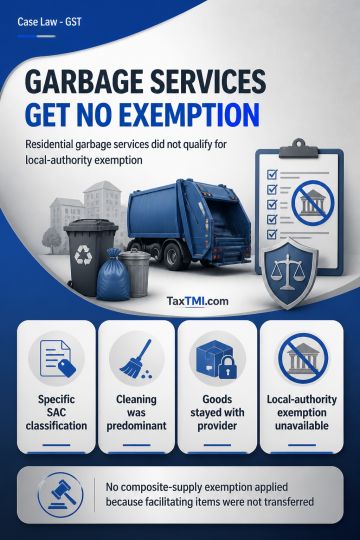
Residential waste collection classification under SAC 999423 defeats composite-supply exemption where facilitating goods are not transferred to the lo...
Naphtha procured under exemption notifications for use in the manufacture of fertilizer or ammonia qualified for concessional or nil duty when the goods were intended for that use, even if a portion of the input was diverted to electricity generation that also supported the fertiliser plant. The Court held that the notifications required proof of intended use, not exclusive actual end-use in every downstream stage, so the duty demand on alleged non-eligible use failed. On limitation, extended period invocation required deliberate suppression, fraud, collusion, wilful misstatement, or contravention with intent to evade duty; those elements were absent, the matter was interpretational, and the dispute was revenue neutral. The demand and penalty were therefore time-barred.
Naphtha procured under exemption notifications for use in the manufacture of fertilizer or ammonia qualified for concessional or nil duty when the goods were intended for that use, even if a portion of the input was diverted to electricity generation that also supported the fertiliser plant. The Court held that the notifications required proof of intended use, not exclusive actual end-use in every downstream stage, so the duty demand on alleged non-eligible use failed. On limitation, extended period invocation required deliberate suppression, fraud, collusion, wilful misstatement, or contravention with intent to evade duty; those elements were absent, the matter was interpretational, and the dispute was revenue neutral. The demand and penalty were therefore time-barred.
Note: It is a system-generated summary and is for quick reference only.
 TaxTMI
  TaxTMI
 of 4809





 Join Channel


