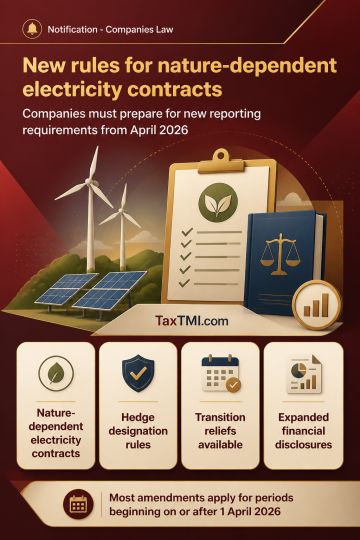
Nature-dependent electricity contracts receive new Ind AS accounting, hedge designation, transition and financial-statement disclosure requirements fr...
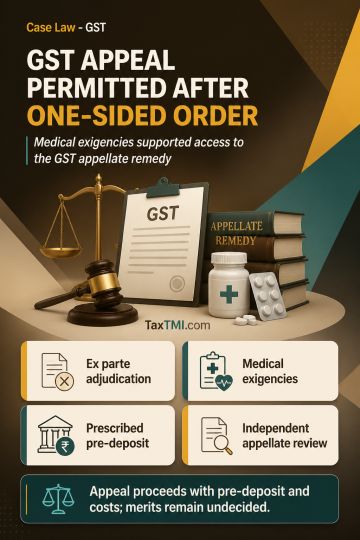
Alternative GST remedy permitted protective writ intervention for ex parte adjudication, preserving independent appellate review of input tax credit d...
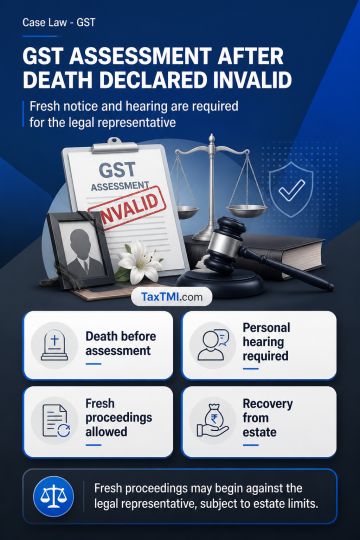
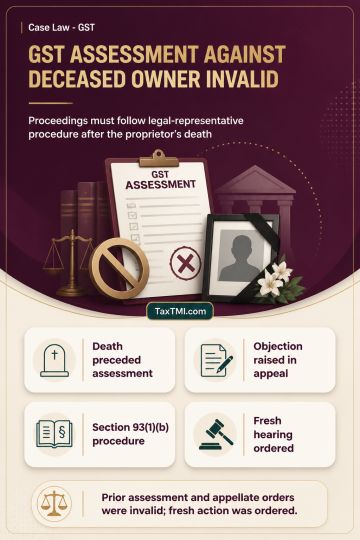
Assessment against deceased sole proprietor requires proceedings against the legal representative, rendering prior assessment and appellate orders inv...
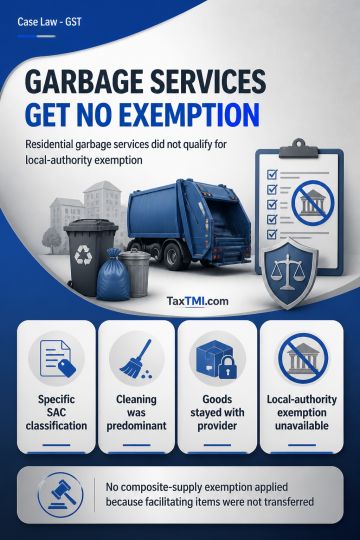
Residential waste collection classification under SAC 999423 defeats composite-supply exemption where facilitating goods are not transferred to the lo...
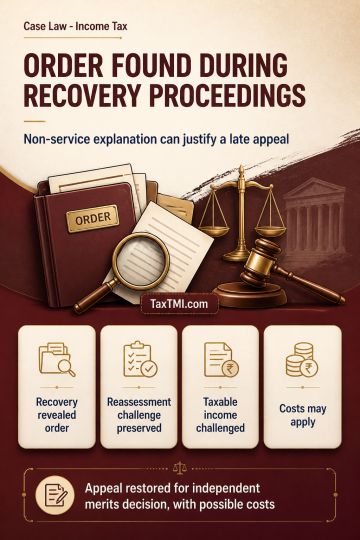
Condonation of delay permits statutory appeal restoration where inadequate service explanation prevented consideration of reassessment and taxable-inc...
Transmission shafts, gears, gear boxes and allied machine parts manufactured for agricultural machinery were classifiable under Heading 8483, because Note 2(a) to Section XVI required goods specifically covered by a Chapter 84 heading to be classified there even if they were designed for a particular machine. The Tribunal also accepted that amounts reversed under Rule 6(3) on a bona fide exemption belief had to be adjusted against any duty liability, and cum-duty benefit was admissible where no duty was separately collected. The demand, however, was held time-barred: the dispute turned on tariff interpretation, suppression with intent to evade was not proved, and the extended period could not be invoked.
Transmission shafts, gears, gear boxes and allied machine parts manufactured for agricultural machinery were classifiable under Heading 8483, because Note 2(a) to Section XVI required goods specifically covered by a Chapter 84 heading to be classified there even if they were designed for a particular machine. The Tribunal also accepted that amounts reversed under Rule 6(3) on a bona fide exemption belief had to be adjusted against any duty liability, and cum-duty benefit was admissible where no duty was separately collected. The demand, however, was held time-barred: the dispute turned on tariff interpretation, suppression with intent to evade was not proved, and the extended period could not be invoked.
Note: It is a system-generated summary and is for quick reference only.
 TaxTMI
  TaxTMI
 of 4809





 Join Channel


