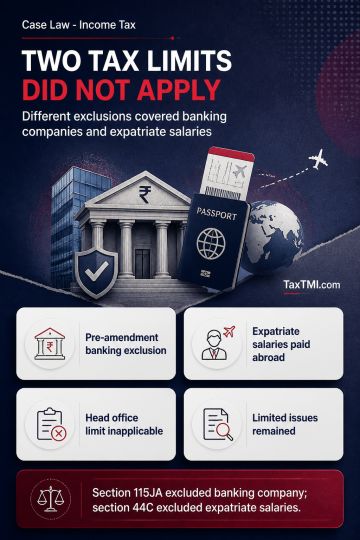
Minimum alternate tax exclusions for pre-amendment banking companies and expatriate Indian branch salaries remain outside head office expenditure limi...
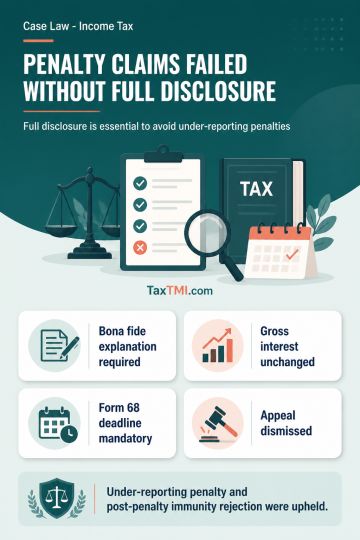
Bona fide disclosure requirements govern under-reporting penalties, and post-penalty immunity applications cannot secure available statutory protectio...
CESTAT held that the relevant date for determination of duty under Section 15(1)(a) was the date of filing of the bills of entry, because the bills were filed after entry inwards and were not advance bills of entry. Notification No. 21/2022-Cus. was therefore unavailable when duty liability crystallised, and the importer could not invoke a later exemption by choice. The proviso concerning bills of entry presented before entry inwards was inapplicable on the facts. The Tribunal also held that substitution under Section 46(5) was discretionary and could be refused where it would prejudice revenue; no arbitrariness was shown. The refusal to substitute the bills of entry into warehousing bills was upheld.
CESTAT held that the relevant date for determination of duty under Section 15(1)(a) was the date of filing of the bills of entry, because the bills were filed after entry inwards and were not advance bills of entry. Notification No. 21/2022-Cus. was therefore unavailable when duty liability crystallised, and the importer could not invoke a later exemption by choice. The proviso concerning bills of entry presented before entry inwards was inapplicable on the facts. The Tribunal also held that substitution under Section 46(5) was discretionary and could be refused where it would prejudice revenue; no arbitrariness was shown. The refusal to substitute the bills of entry into warehousing bills was upheld.
Note: It is a system-generated summary and is for quick reference only.
 TaxTMI
  TaxTMI
 of 4826





 Join Channel