Transfer pricing and tax deductions upheld on established principles, while employee contributions and warranty provisions returned for fresh examinat...
Captive transfer pricing relies on industrial consumer tariffs, while genuine quotations can benchmark effluent treatment transfers under the Other Me...
Specific tariff classification for ophthalmic instruments and extended limitation principles determine the treatment of duty demands, confiscation, an...
Integrated golf function determines classification, placing launch monitors and simulators under other golf equipment rather than measuring instrument...
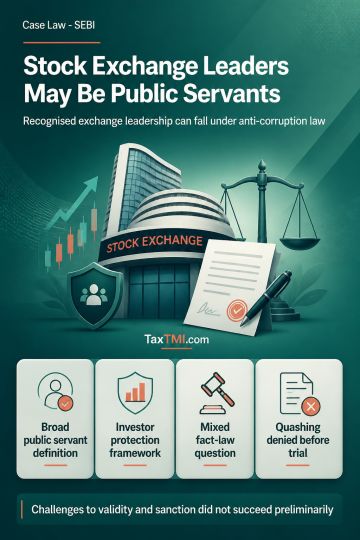
Public servant status under anti-corruption law extends to recognised stock exchange leadership; constitutional and sanction challenges do not succeed...
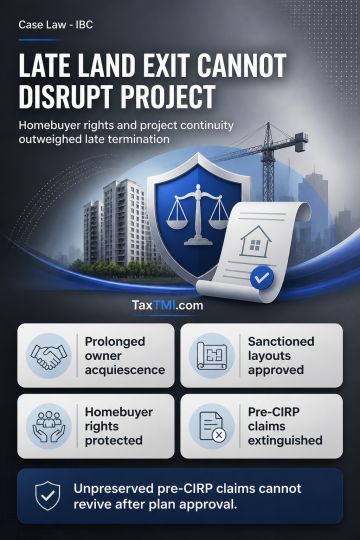
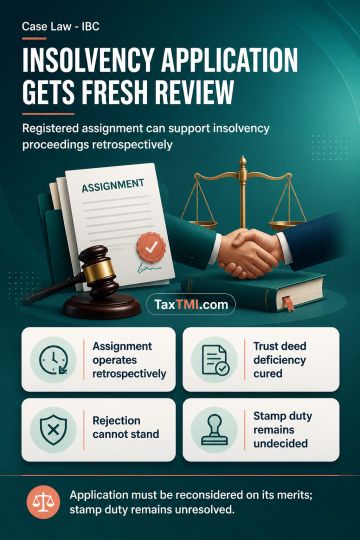
Acquiescence, homebuyer protection and clean-slate resolution principles prevent landowners from disrupting an integrated project through late termina...
Amendment of shipping bills under Section 149 was held permissible for conversion of the export promotion scheme code from Drawback code 19 to Drawback and RoSCTL code 60, where the let export orders had been granted before the later 2022 Regulations and no adverse material existed against the shipping bills. The Tribunal treated the incorrect scheme code as an inadvertent procedural error, noted that the goods were eligible for RoSCTL, and rejected the objection that conversion would involve a stricter examination or possible MEIS overlap. It further held that the statutory power to amend documents cannot be curtailed by circulars and that a substantive export incentive otherwise admissible cannot be denied on such procedural grounds. The rejection was set aside.
Amendment of shipping bills under Section 149 was held permissible for conversion of the export promotion scheme code from Drawback code 19 to Drawback and RoSCTL code 60, where the let export orders had been granted before the later 2022 Regulations and no adverse material existed against the shipping bills. The Tribunal treated the incorrect scheme code as an inadvertent procedural error, noted that the goods were eligible for RoSCTL, and rejected the objection that conversion would involve a stricter examination or possible MEIS overlap. It further held that the statutory power to amend documents cannot be curtailed by circulars and that a substantive export incentive otherwise admissible cannot be denied on such procedural grounds. The rejection was set aside.
Note: It is a system-generated summary and is for quick reference only.
 TaxTMI
  TaxTMI
 of 4830














 Join Channel