Specialized Investment Fund distribution now requires dedicated certification, while transitional recognition preserves existing qualified distributor...
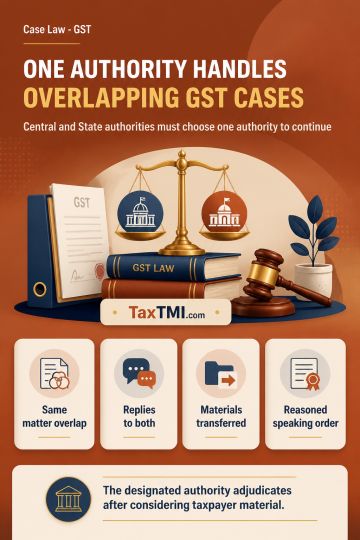
Overlapping GST proceedings require Central and State authorities to designate one competent authority for coordinated adjudication of the same matter...
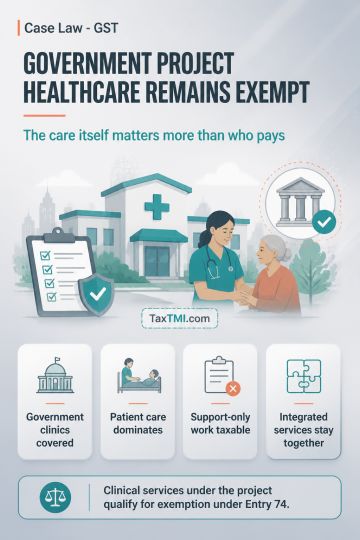
Composite healthcare supplies retain exemption when patient care is the contract's essential character, despite payment through an implementing agency...
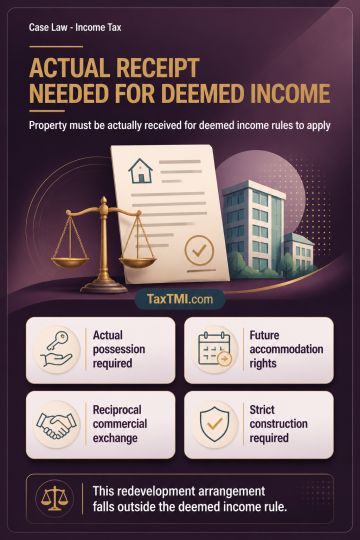
Receipt of immovable property requires actual possession or enjoyment; redevelopment allotments exchanged for tenancy rights fall outside deemed incom...
Page of 4827
Press 'Enter' after typing page number.
1461 to 1480 of 96536 Results
❮
❯
❯❯
0 / 200
Expand Note
Add to Folder
No Folders have been created
+
Are you sure you want to delete "My most important" ?
Deductions made from sub-contractors' bills were held to be consideration for taxable business support services, not mere reimbursement of CSR or labour welfare . The Tribunal found that the appellant produced no material to show that the recoveries represented actual expenditure incurred on behalf of the contractors' workmen, and the uniform percentage deduction from bill value indicated a quid pro quo for administrative and operational support. The plea of double taxation failed because the contractors' construction service and the appellant's separate support service were distinct taxable activities. The extended period of limitation was also upheld, as the recoveries were not disclosed in returns and the change in nomenclature after audit supported suppression of facts with intent to evade tax.
Deductions made from sub-contractors' bills were held to be consideration for taxable business support services, not mere reimbursement of CSR or labour welfare . The Tribunal found that the appellant produced no material to show that the recoveries represented actual expenditure incurred on behalf of the contractors' workmen, and the uniform percentage deduction from bill value indicated a quid pro quo for administrative and operational support. The plea of double taxation failed because the contractors' construction service and the appellant's separate support service were distinct taxable activities. The extended period of limitation was also upheld, as the recoveries were not disclosed in returns and the change in nomenclature after audit supported suppression of facts with intent to evade tax.
Note: It is a system-generated summary and is for quick reference only.
 TaxTMI
  TaxTMI
 of 4827








 Join Channel