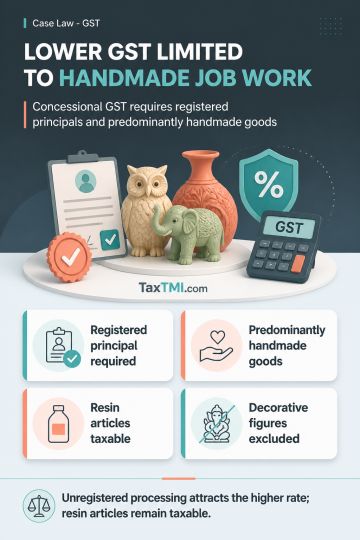
Handicraft job work receives concessional GST only for registered principals and predominantly handmade goods; commercial resin articles remain taxabl...
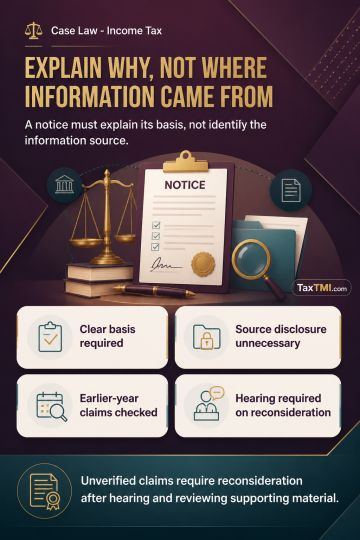
Reassessment disclosure requirements permit stated reasons without revealing information sources, but prior-taxation claims require full examination b...
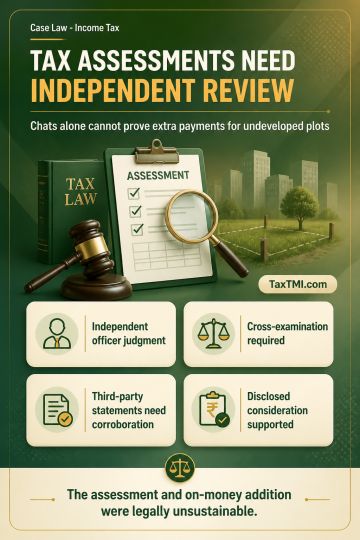
Independent assessment discretion and corroborated electronic evidence determine validity of on-money additions and undisclosed-consideration assessme...
Section 142(3) of the CGST Act does not create a fresh refund right where the underlying CENVAT credit entitlement had already expired under the six-month limit from the duty-paying document. The Tribunal held that credit on the challan dated 09.05.2019 could be taken only until 09.11.2019, so a later transitional refund claim was time-barred. The COVID limitation extension could not revive a claim that had already lapsed before the pandemic period. It also held that excess payment against the bill of entry was customs duty, so any refund had to be claimed under Section 27 of the Customs Act; reliance on the EODC was misplaced.
Section 142(3) of the CGST Act does not create a fresh refund right where the underlying CENVAT credit entitlement had already expired under the six-month limit from the duty-paying document. The Tribunal held that credit on the challan dated 09.05.2019 could be taken only until 09.11.2019, so a later transitional refund claim was time-barred. The COVID limitation extension could not revive a claim that had already lapsed before the pandemic period. It also held that excess payment against the bill of entry was customs duty, so any refund had to be claimed under Section 27 of the Customs Act; reliance on the EODC was misplaced.
Note: It is a system-generated summary and is for quick reference only.
 TaxTMI
  TaxTMI
 of 4828








 Join Channel


