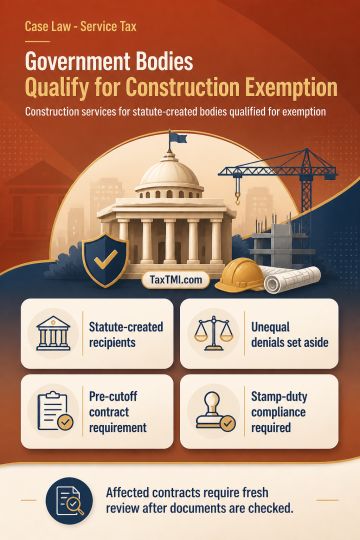
Governmental authority status supports construction-service exemption, while pre-cutoff contract and stamp-duty compliance requires verification on re...
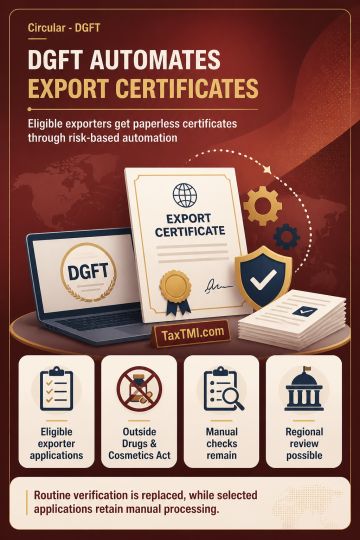
Automated Free Sale and Commerce Certificates enable paperless processing while retaining risk-based manual verification for selected exporter applica...
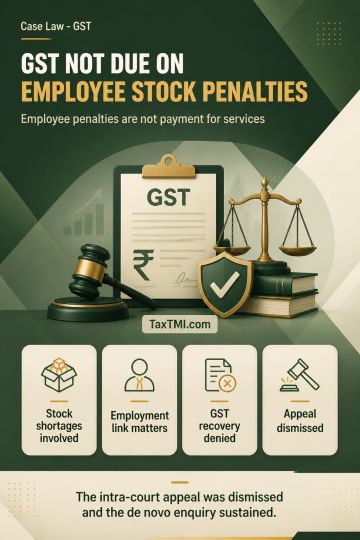
Employee stock-shortage penalties do not constitute consideration for services, preventing GST collection under Schedule II in employment relationship...
Preferential exemption under the ASEAN-India Free Trade Agreement was denied for imported aluminium scrap because the goods did not bear country-of-origin markings. CESTAT held that Customs could identify the goods from the bill of entry and certificate of origin, which consistently described the scrap by grade and type, and from other verified documents including the PSI certificate, sales contract, FTA certificate and weighment slips. In the absence of tampering or any blameworthy act by the importer, the missing physical origin marking was only a minor procedural deficiency. The doctrine of substantial compliance applied, and the exemption from Basic Customs Duty was restored.
Preferential exemption under the ASEAN-India Free Trade Agreement was denied for imported aluminium scrap because the goods did not bear country-of-origin markings. CESTAT held that Customs could identify the goods from the bill of entry and certificate of origin, which consistently described the scrap by grade and type, and from other verified documents including the PSI certificate, sales contract, FTA certificate and weighment slips. In the absence of tampering or any blameworthy act by the importer, the missing physical origin marking was only a minor procedural deficiency. The doctrine of substantial compliance applied, and the exemption from Basic Customs Duty was restored.
Note: It is a system-generated summary and is for quick reference only.
 TaxTMI
  TaxTMI
 of 4828









 Join Channel


