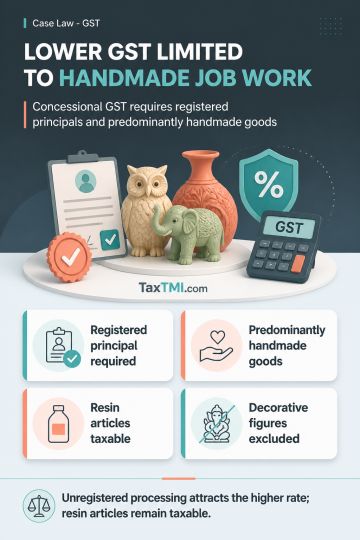
Handicraft job work receives concessional GST only for registered principals and predominantly handmade goods; commercial resin articles remain taxabl...
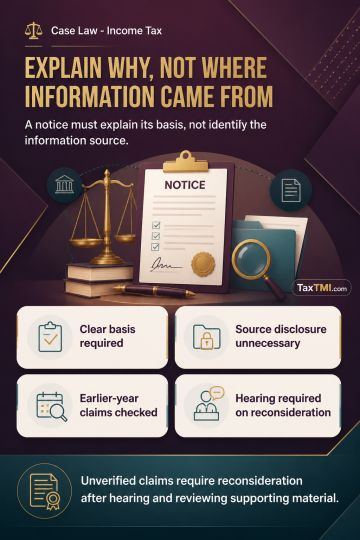
Reassessment disclosure requirements permit stated reasons without revealing information sources, but prior-taxation claims require full examination b...
Independent assessment discretion and corroborated electronic evidence determine validity of on-money additions and undisclosed-consideration assessme...
Preferential exemption under the ASEAN-India Free Trade Agreement was denied for imported aluminium scrap because the goods did not bear country-of-origin markings. CESTAT held that Customs could identify the goods from the bill of entry and certificate of origin, which consistently described the scrap by grade and type, and from other verified documents including the PSI certificate, sales contract, FTA certificate and weighment slips. In the absence of tampering or any blameworthy act by the importer, the missing physical origin marking was only a minor procedural deficiency. The doctrine of substantial compliance applied, and the exemption from Basic Customs Duty was restored.
Preferential exemption under the ASEAN-India Free Trade Agreement was denied for imported aluminium scrap because the goods did not bear country-of-origin markings. CESTAT held that Customs could identify the goods from the bill of entry and certificate of origin, which consistently described the scrap by grade and type, and from other verified documents including the PSI certificate, sales contract, FTA certificate and weighment slips. In the absence of tampering or any blameworthy act by the importer, the missing physical origin marking was only a minor procedural deficiency. The doctrine of substantial compliance applied, and the exemption from Basic Customs Duty was restored.
Note: It is a system-generated summary and is for quick reference only.
 TaxTMI
  TaxTMI
 of 4828














 Join Channel


