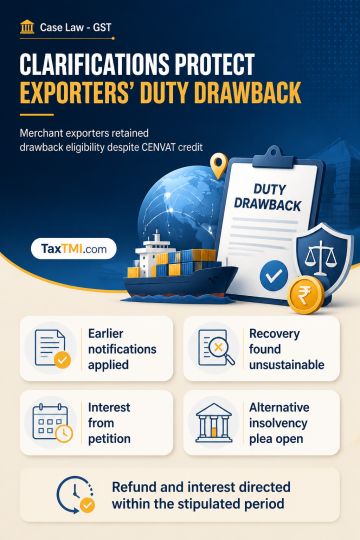
Composite inpatient healthcare supply may retain exemption despite MRP medicine billing, while separate taxable sale characterisation remains disputed...
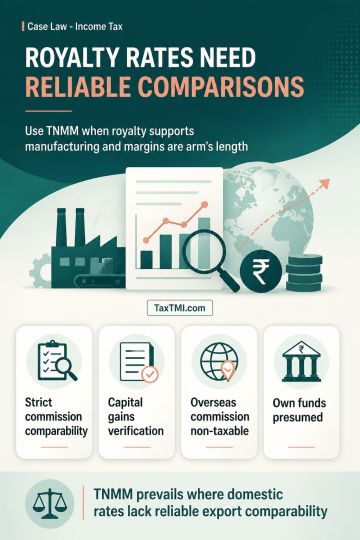
Working-capital adjustment determines whether software-services transfer-pricing margins fall within the statutory tolerance range, eliminating any ad...
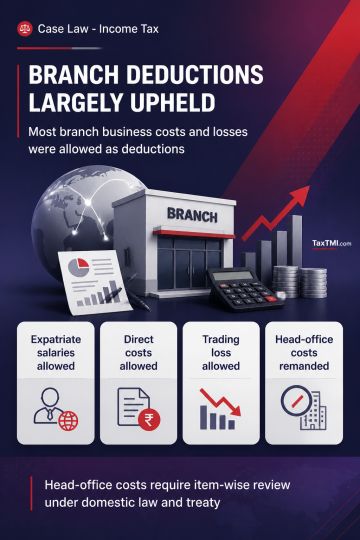
Permanent establishment deductions upheld for expatriate salaries, direct costs and trading losses, while head-office costs require fresh classificati...
Data transmission equipment classification under CTSH 8517 62 remains distinct from residual classification, with exemption evidence requiring scrutin...
Page of 4826
Press 'Enter' after typing page number.
1481 to 1500 of 96509 Results
❮
❯
❯❯
0 / 200
Expand Note
Add to Folder
No Folders have been created
+
Are you sure you want to delete "My most important" ?
NCLAT held that a resolution plan was non-responsive where the earnest money deposit was not actually credited within the time required by the RFRP; debit of the bidder's account on the due date was insufficient, and the Resolution Professional erred in accepting the bid. The Tribunal also held that a dissenting financial creditor had locus to challenge the process because its objections had already been raised in CoC meetings and concerned alleged violations of the Code and value maximisation. Finding that the continuation of the CIRP against the corporate debtor and the role of the Resolution Professional required reassessment, the Tribunal set aside the impugned order, declared the Valentis plan invalid, and directed evaluation of the remaining plans and legal scrutiny of whether the CIRP still subsisted.
NCLAT held that a resolution plan was non-responsive where the earnest money deposit was not actually credited within the time required by the RFRP; debit of the bidder's account on the due date was insufficient, and the Resolution Professional erred in accepting the bid. The Tribunal also held that a dissenting financial creditor had locus to challenge the process because its objections had already been raised in CoC meetings and concerned alleged violations of the Code and value maximisation. Finding that the continuation of the CIRP against the corporate debtor and the role of the Resolution Professional required reassessment, the Tribunal set aside the impugned order, declared the Valentis plan invalid, and directed evaluation of the remaining plans and legal scrutiny of whether the CIRP still subsisted.
Note: It is a system-generated summary and is for quick reference only.
 TaxTMI
  TaxTMI
 of 4826

















 Join Channel