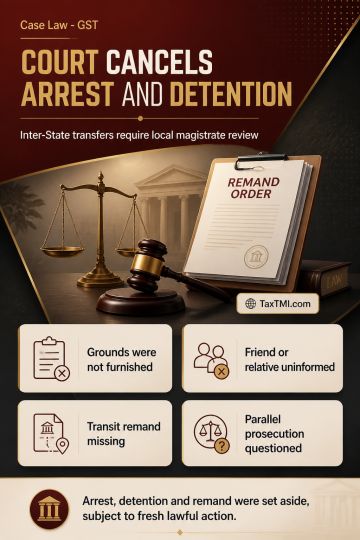
Arrest safeguards and transit remand requirements invalidated detention following inter-State transfer without communicated grounds or magistrate auth...
Arrest safeguards require disclosed grounds, relative intimation and transit remand, while duplicate prosecution under the CGST framework is unsustain...
Document Identification Number defects can invalidate GST assessments, with delayed challenges entertained conditionally where patent irregularities e...
Windmill commissioning evidence supported higher depreciation where grid connection and electricity generation proved operational use before the relev...
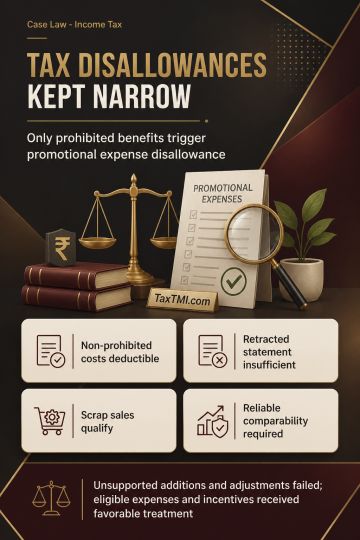
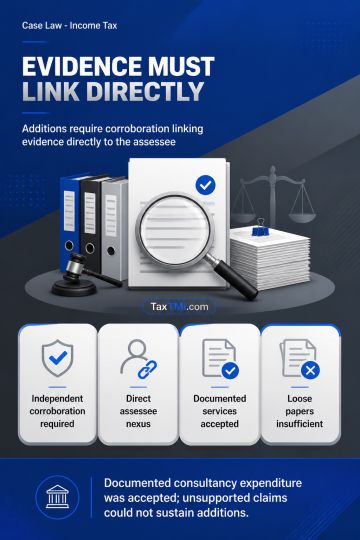
Pharmaceutical promotion and transfer-pricing comparability principles limited disallowances, while uncorroborated search allegations and unsupported ...
NCLAT held that a resolution plan was non-responsive where the earnest money deposit was not actually credited within the time required by the RFRP; debit of the bidder's account on the due date was insufficient, and the Resolution Professional erred in accepting the bid. The Tribunal also held that a dissenting financial creditor had locus to challenge the process because its objections had already been raised in CoC meetings and concerned alleged violations of the Code and value maximisation. Finding that the continuation of the CIRP against the corporate debtor and the role of the Resolution Professional required reassessment, the Tribunal set aside the impugned order, declared the Valentis plan invalid, and directed evaluation of the remaining plans and legal scrutiny of whether the CIRP still subsisted.
NCLAT held that a resolution plan was non-responsive where the earnest money deposit was not actually credited within the time required by the RFRP; debit of the bidder's account on the due date was insufficient, and the Resolution Professional erred in accepting the bid. The Tribunal also held that a dissenting financial creditor had locus to challenge the process because its objections had already been raised in CoC meetings and concerned alleged violations of the Code and value maximisation. Finding that the continuation of the CIRP against the corporate debtor and the role of the Resolution Professional required reassessment, the Tribunal set aside the impugned order, declared the Valentis plan invalid, and directed evaluation of the remaining plans and legal scrutiny of whether the CIRP still subsisted.
Note: It is a system-generated summary and is for quick reference only.
 TaxTMI
  TaxTMI
 of 4828

















 Join Channel


