Clean slate principle extinguishes uncrystallised operational claims and bars continuation of pending recovery and arbitral proceedings after plan app...
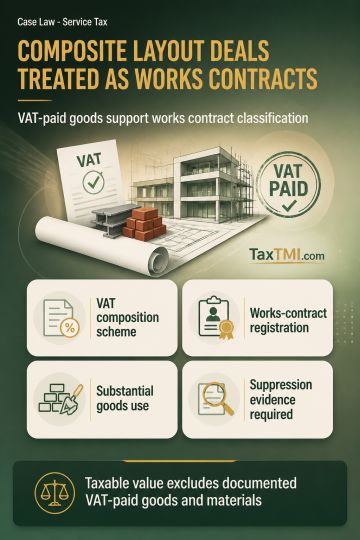
Works contract classification governs composite layout-development contracts where VAT-paid goods are transferred alongside construction and infrastru...
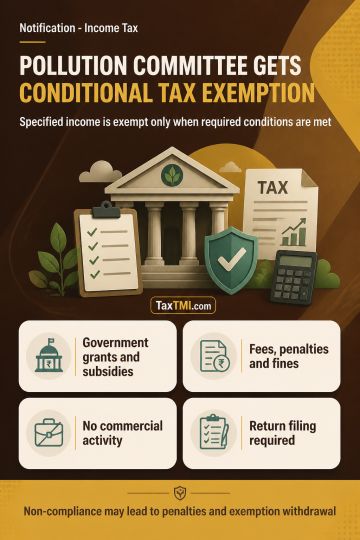
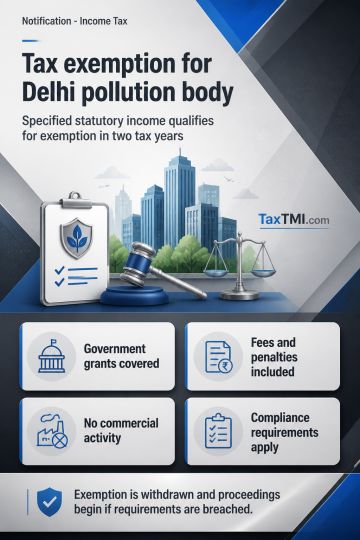
Specified income tax exemption for pollution control body remains conditional on non-commercial activity, unchanged income character, and return filin...
Jurisdictional facts in certificate-of-origin discrepancies can support customs show-cause proceedings, leaving factual explanations for departmental ...
Failure to pass on input tax credit benefits under GST was found to constitute profiteering, as the post-GST ITC-to-purchase ratio increased on verified audited figures and the respondent retained the additional benefit instead of passing it to homebuyers. The determined profiteered amount was ordered to be refunded to eligible homebuyers with interest at 18% per annum from the respective dates of collection until refund. Penalty under Section 171(3A) was not imposed because the violation period predated its commencement and the respondent had refunded the amount, attracting the statutory proviso against penalty.
Failure to pass on input tax credit benefits under GST was found to constitute profiteering, as the post-GST ITC-to-purchase ratio increased on verified audited figures and the respondent retained the additional benefit instead of passing it to homebuyers. The determined profiteered amount was ordered to be refunded to eligible homebuyers with interest at 18% per annum from the respective dates of collection until refund. Penalty under Section 171(3A) was not imposed because the violation period predated its commencement and the respondent had refunded the amount, attracting the statutory proviso against penalty.
Note: It is a system-generated summary and is for quick reference only.
 TaxTMI
  TaxTMI
 of 4828














 Join Channel