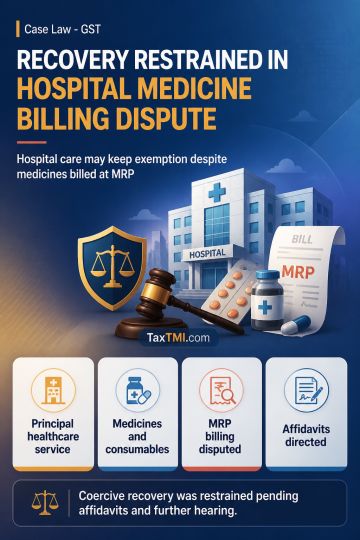
Composite inpatient healthcare supply may retain exemption despite MRP medicine billing, while separate taxable sale characterisation remains disputed...
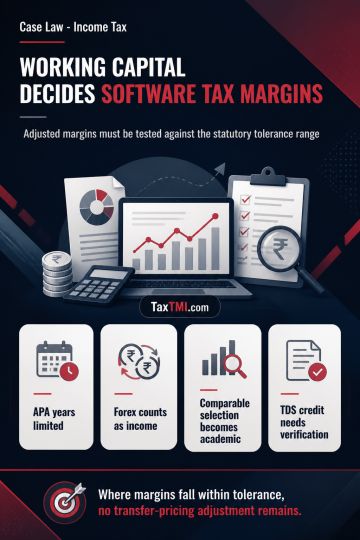
Working-capital adjustment determines whether software-services transfer-pricing margins fall within the statutory tolerance range, eliminating any ad...
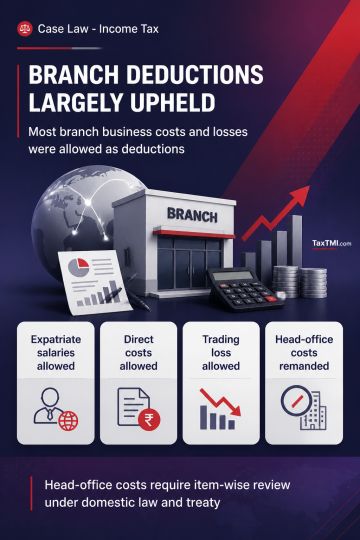
Permanent establishment deductions upheld for expatriate salaries, direct costs and trading losses, while head-office costs require fresh classificati...
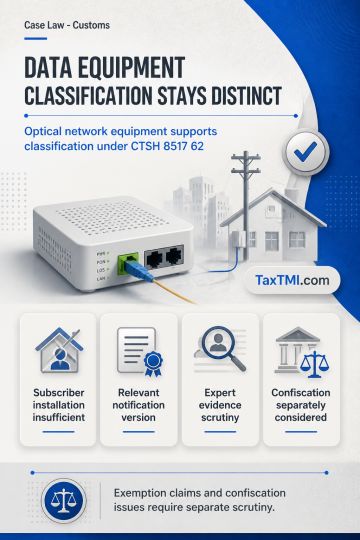
Data transmission equipment classification under CTSH 8517 62 remains distinct from residual classification, with exemption evidence requiring scrutin...
Failure to pass on input tax credit benefits under GST was found to constitute profiteering, as the post-GST ITC-to-purchase ratio increased on verified audited figures and the respondent retained the additional benefit instead of passing it to homebuyers. The determined profiteered amount was ordered to be refunded to eligible homebuyers with interest at 18% per annum from the respective dates of collection until refund. Penalty under Section 171(3A) was not imposed because the violation period predated its commencement and the respondent had refunded the amount, attracting the statutory proviso against penalty.
Failure to pass on input tax credit benefits under GST was found to constitute profiteering, as the post-GST ITC-to-purchase ratio increased on verified audited figures and the respondent retained the additional benefit instead of passing it to homebuyers. The determined profiteered amount was ordered to be refunded to eligible homebuyers with interest at 18% per annum from the respective dates of collection until refund. Penalty under Section 171(3A) was not imposed because the violation period predated its commencement and the respondent had refunded the amount, attracting the statutory proviso against penalty.
Note: It is a system-generated summary and is for quick reference only.
 TaxTMI
  TaxTMI
 of 4830






 Join Channel


