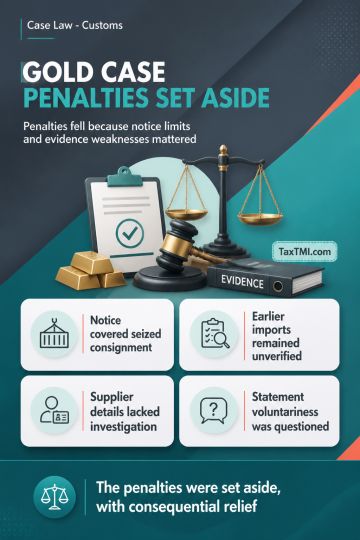
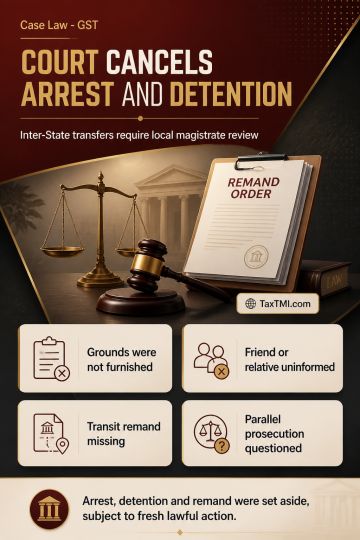
Arrest safeguards and transit remand requirements invalidated detention following inter-State transfer without communicated grounds or magistrate auth...
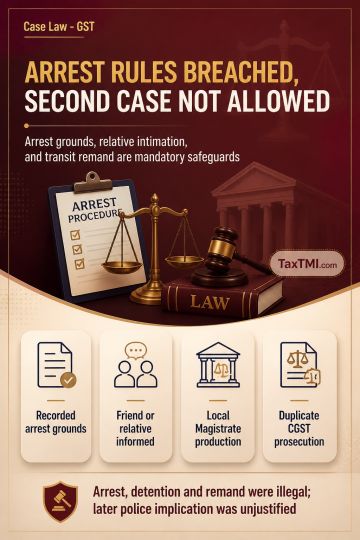
Arrest safeguards require disclosed grounds, relative intimation and transit remand, while duplicate prosecution under the CGST framework is unsustain...
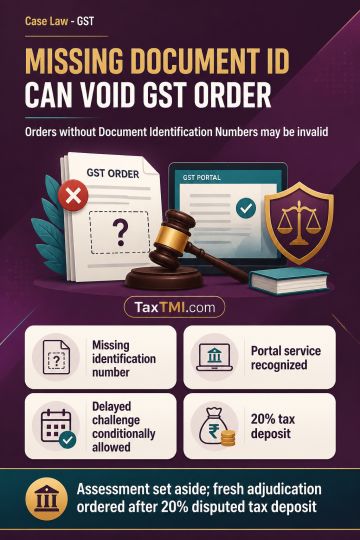
Document Identification Number defects can invalidate GST assessments, with delayed challenges entertained conditionally where patent irregularities e...
Windmill commissioning evidence supported higher depreciation where grid connection and electricity generation proved operational use before the relev...
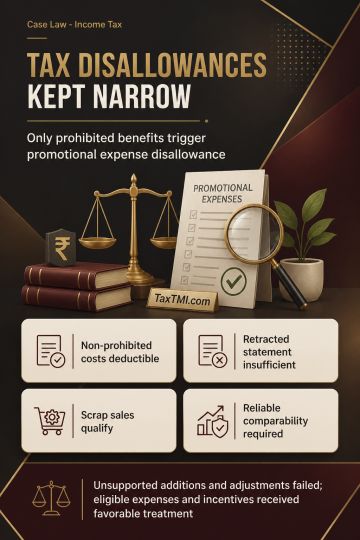
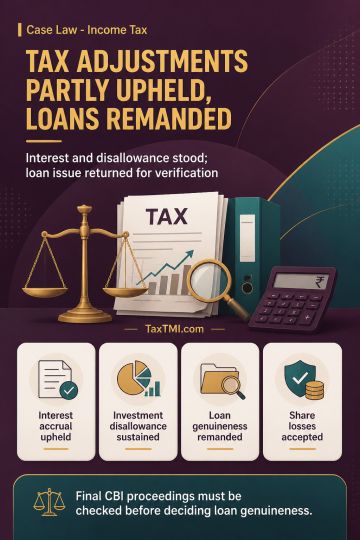
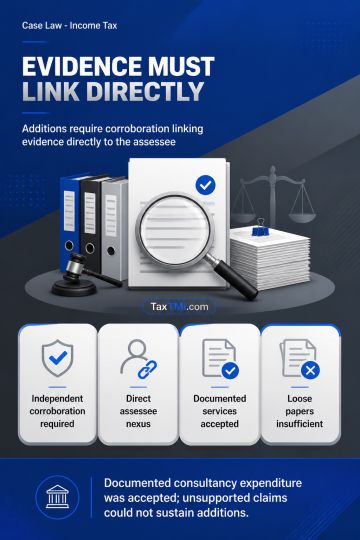
Pharmaceutical promotion and transfer-pricing comparability principles limited disallowances, while uncorroborated search allegations and unsupported ...
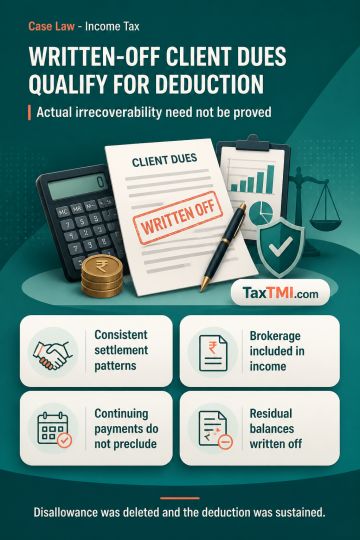
Business expenditure substantiation supports scrap credits, statutory payments and expense claims, while depreciation requires proof of actual busines...
Proviso to Rule 22(4) empowers an authorized officer to drop cancellation proceedings and pass Form GST REG 20 where a person served with a show cause notice under Section 29(2)(c) furnishes all pending returns and pays tax dues, interest and late fee; on compliance the officer may also consider restoration of registration and must decide in accordance with law. The period for limitation under Section 73(10) is to be computed from the date of the court order for relevant years, while the specified forthcoming financial year is to be governed by Section 44; petitioners remain liable for arrears including tax, penalty, interest and late fees.
Proviso to Rule 22(4) empowers an authorized officer to drop cancellation proceedings and pass Form GST REG 20 where a person served with a show cause notice under Section 29(2)(c) furnishes all pending returns and pays tax dues, interest and late fee; on compliance the officer may also consider restoration of registration and must decide in accordance with law. The period for limitation under Section 73(10) is to be computed from the date of the court order for relevant years, while the specified forthcoming financial year is to be governed by Section 44; petitioners remain liable for arrears including tax, penalty, interest and late fees.
Note: It is a system-generated summary and is for quick reference only.
 TaxTMI
 of 4792











 Join Channel


 TaxTMI