Independent show-cause notices remain separate proceedings, while customs adjudication challenges should ordinarily follow the statutory appellate rem...
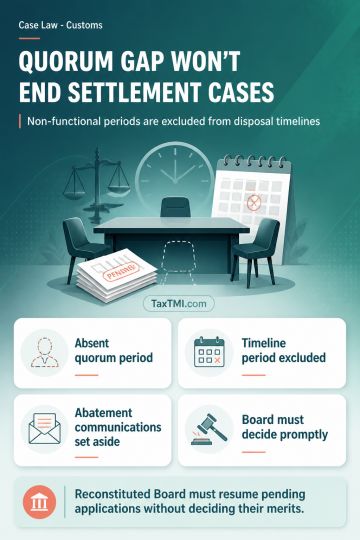
Institutional incapacity in customs settlement proceedings excludes non-functional quorum periods from statutory disposal timelines, preventing automa...
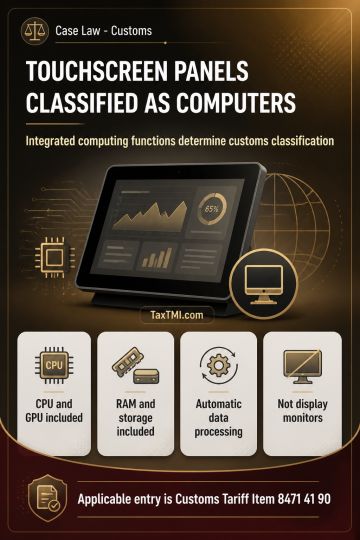
Interactive touchscreen panels with integrated computing functions fall under automatic data-processing machines rather than display monitors for cust...
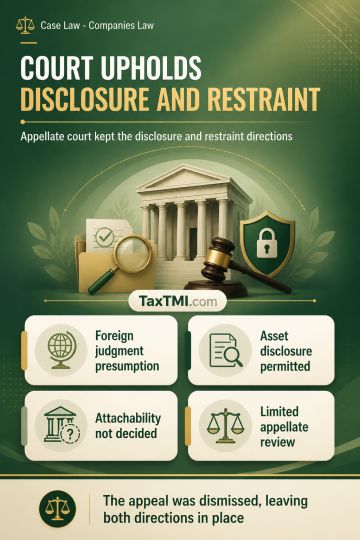
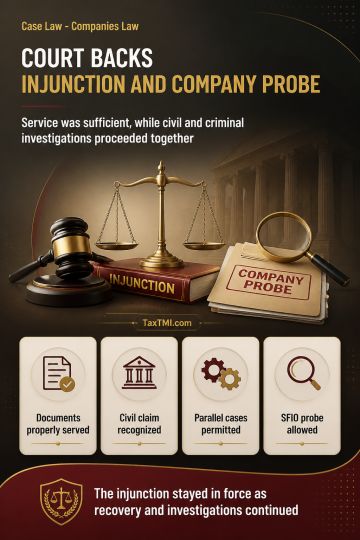
Ex parte injunction service requirements were substantially met, while civil recovery and SFIO investigation into provident fund defalcation continued...
Challenge to the legality of Central and State notifications extending time under Section 73(10) CGST/RGST was addressed by permitting an interim procedural remedy: the petitioner may file a statutory appeal against assessment orders within four weeks. The Court exercised discretion to grant this limited time as an accommodation without prejudicing the pending substantive challenge to the Notifications before the Supreme Court. The appellate proceedings are expressly made subject to the ultimate determination on the Notifications' validity, and applications for condonation of delay and exemption of filings were allowed.
Challenge to the legality of Central and State notifications extending time under Section 73(10) CGST/RGST was addressed by permitting an interim procedural remedy: the petitioner may file a statutory appeal against assessment orders within four weeks. The Court exercised discretion to grant this limited time as an accommodation without prejudicing the pending substantive challenge to the Notifications before the Supreme Court. The appellate proceedings are expressly made subject to the ultimate determination on the Notifications' validity, and applications for condonation of delay and exemption of filings were allowed.
Note: It is a system-generated summary and is for quick reference only.
 TaxTMI
 of 4801







 Join Channel


 TaxTMI