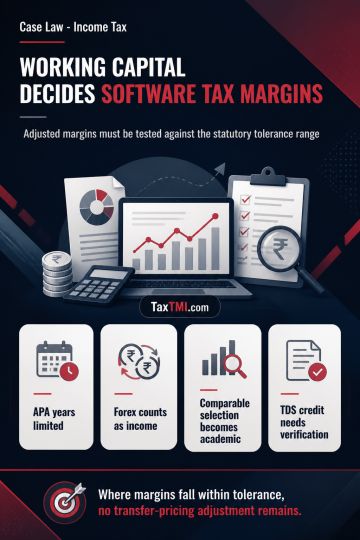
Working-capital adjustment determines whether software-services transfer-pricing margins fall within the statutory tolerance range, eliminating any ad...
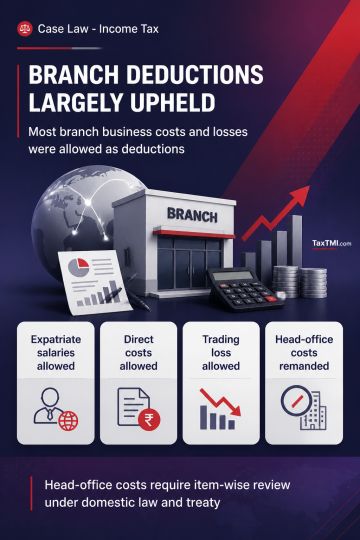
Permanent establishment deductions upheld for expatriate salaries, direct costs and trading losses, while head-office costs require fresh classificati...
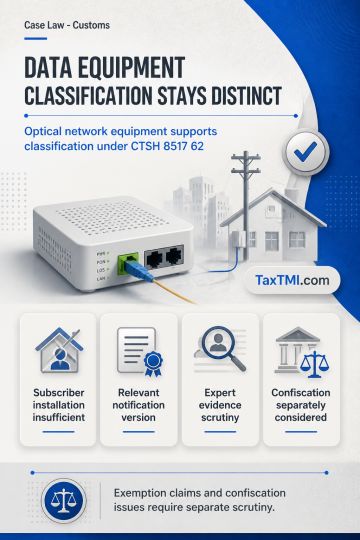
Data transmission equipment classification under CTSH 8517 62 remains distinct from residual classification, with exemption evidence requiring scrutin...
High Court reviewed a magistrate's refusal to allow a director to travel abroad where corporate entities had been penalised for alleged bogus input tax credits. The Court held that corporate penalties and revenue loss alone do not justify depriving an individual of personal liberty or the right to travel abroad; absent material showing personal flight risk or intent to evade process, travel may be permitted. The Court applied principles protecting personal liberty, weighed offence gravity and case stage, and allowed travel subject to conditions including a security deposit, itinerary and passport disclosure and cooperation with investigators.
High Court reviewed a magistrate's refusal to allow a director to travel abroad where corporate entities had been penalised for alleged bogus input tax credits. The Court held that corporate penalties and revenue loss alone do not justify depriving an individual of personal liberty or the right to travel abroad; absent material showing personal flight risk or intent to evade process, travel may be permitted. The Court applied principles protecting personal liberty, weighed offence gravity and case stage, and allowed travel subject to conditions including a security deposit, itinerary and passport disclosure and cooperation with investigators.
Note: It is a system-generated summary and is for quick reference only.
 TaxTMI
 of 4805




 Join Channel


 TaxTMI