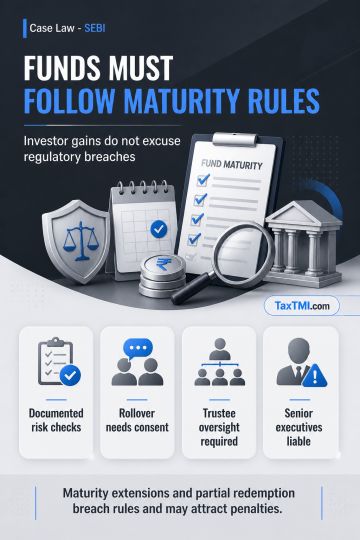
Mutual fund maturity rules require proper rollover, redemption, disclosure, and due diligence; investor gains cannot excuse regulatory breaches or pen...
Threshold exemption excludes exempt services, while stamp-paper purchases avoid reverse charge; consequential service tax penalties were also set asid...
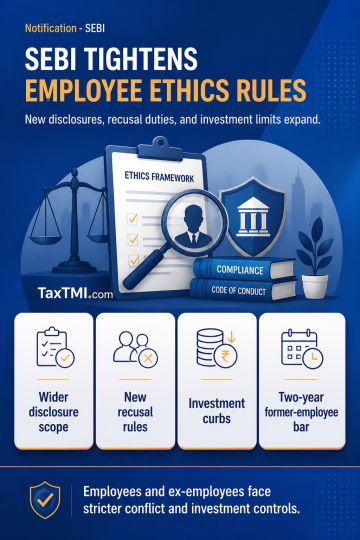
Employee conflict disclosures and investment restrictions expand with new recusal duties, post-employment limits, and compliance reporting requirement...
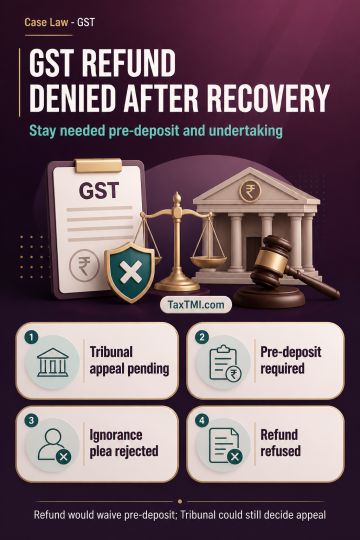
The High Court held that the Appellate Tribunal under the CGST Act, read together (Sections 111-113), is bound by the CPC procedure, guided by principles of natural justice and has power to regulate its procedure; it also possesses civil court powers and may enforce orders as decrees. The Tribunal's jurisdiction to pass substantive orders necessarily includes inherent and incidental authority to grant interim relief, including stay of recovery pending appeal, to make the appellate remedy effective. The petitioner was directed to move the Tribunal within two weeks; limited interim protection was granted restraining action on the recovery notice until the Tribunal decides any interim application.
The High Court held that the Appellate Tribunal under the CGST Act, read together (Sections 111-113), is bound by the CPC procedure, guided by principles of natural justice and has power to regulate its procedure; it also possesses civil court powers and may enforce orders as decrees. The Tribunal's jurisdiction to pass substantive orders necessarily includes inherent and incidental authority to grant interim relief, including stay of recovery pending appeal, to make the appellate remedy effective. The petitioner was directed to move the Tribunal within two weeks; limited interim protection was granted restraining action on the recovery notice until the Tribunal decides any interim application.
Note: It is a system-generated summary and is for quick reference only.
 TaxTMI
 of 4805










 Join Channel


 TaxTMI