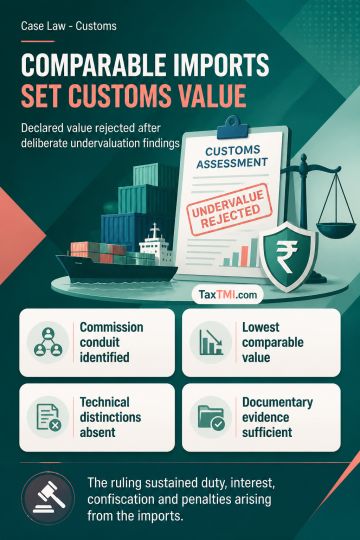
Transaction value rejection requires reliable corroboration; refundable VAT is excluded and temporary registration does not defeat new-vehicle exempti...
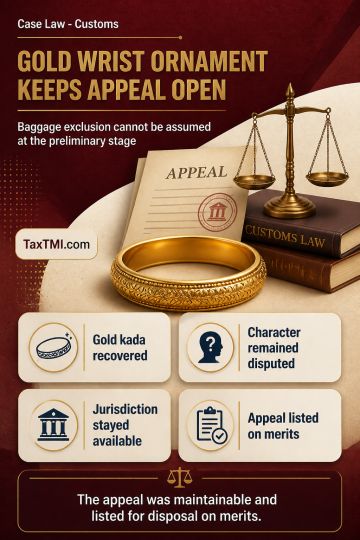
Appellate jurisdiction remains available where a wrist-worn gold ornament cannot conclusively be characterised as imported baggage at the preliminary ...
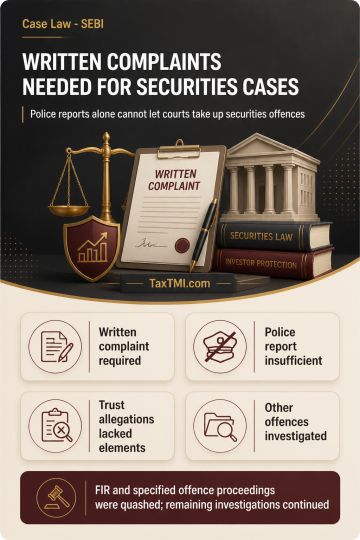
Written complaint requirement bars cognizance on police reports for securities offences, while unsupported breach of trust and cheating allegations fa...
The High Court held that the Appellate Tribunal under the CGST Act, read together (Sections 111-113), is bound by the CPC procedure, guided by principles of natural justice and has power to regulate its procedure; it also possesses civil court powers and may enforce orders as decrees. The Tribunal's jurisdiction to pass substantive orders necessarily includes inherent and incidental authority to grant interim relief, including stay of recovery pending appeal, to make the appellate remedy effective. The petitioner was directed to move the Tribunal within two weeks; limited interim protection was granted restraining action on the recovery notice until the Tribunal decides any interim application.
The High Court held that the Appellate Tribunal under the CGST Act, read together (Sections 111-113), is bound by the CPC procedure, guided by principles of natural justice and has power to regulate its procedure; it also possesses civil court powers and may enforce orders as decrees. The Tribunal's jurisdiction to pass substantive orders necessarily includes inherent and incidental authority to grant interim relief, including stay of recovery pending appeal, to make the appellate remedy effective. The petitioner was directed to move the Tribunal within two weeks; limited interim protection was granted restraining action on the recovery notice until the Tribunal decides any interim application.
Note: It is a system-generated summary and is for quick reference only.
 TaxTMI
 of 4796








 Join Channel


 TaxTMI
