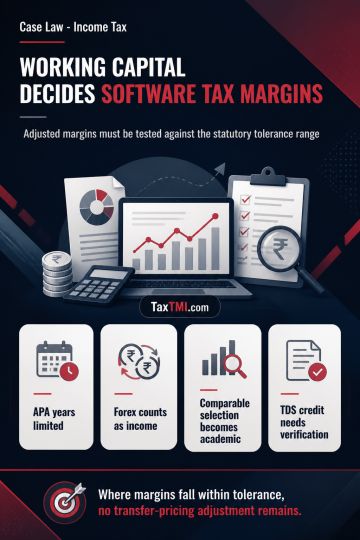
Working-capital adjustment determines whether software-services transfer-pricing margins fall within the statutory tolerance range, eliminating any ad...
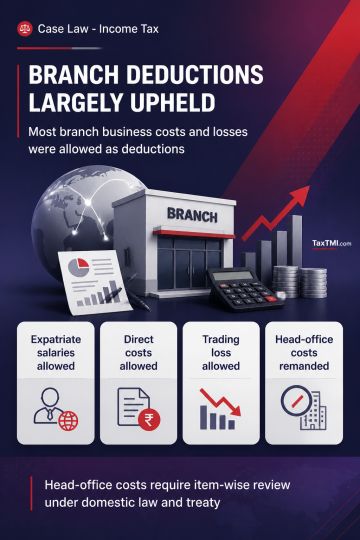
Permanent establishment deductions upheld for expatriate salaries, direct costs and trading losses, while head-office costs require fresh classificati...
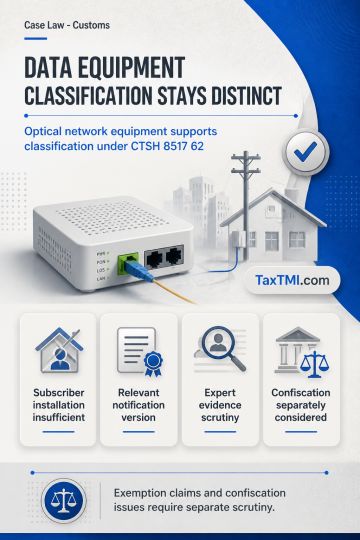
Data transmission equipment classification under CTSH 8517 62 remains distinct from residual classification, with exemption evidence requiring scrutin...
The text examines imposition of penalty under s.271(1)(c) for bogus purchases and states the controlling legal point that an Assessing Officer must form a clear subjective satisfaction that the assessee consciously concealed particulars of income or deliberately furnished inaccurate particulars before levying penalty; mere ad hoc estimation of profit in bogus purchases does not suffice. The appellate authority reduced the added profit percentages, and the article concludes that where the AO restricted profit element by estimation without a finding of deliberate concealment or inaccurate particulars, penalty could not be sustained, resulting in a decision favorable to the assessee.
The text examines imposition of penalty under s.271(1)(c) for bogus purchases and states the controlling legal point that an Assessing Officer must form a clear subjective satisfaction that the assessee consciously concealed particulars of income or deliberately furnished inaccurate particulars before levying penalty; mere ad hoc estimation of profit in bogus purchases does not suffice. The appellate authority reduced the added profit percentages, and the article concludes that where the AO restricted profit element by estimation without a finding of deliberate concealment or inaccurate particulars, penalty could not be sustained, resulting in a decision favorable to the assessee.
Note: It is a system-generated summary and is for quick reference only.
 TaxTMI
  TaxTMI
 of 4819













 Join Channel