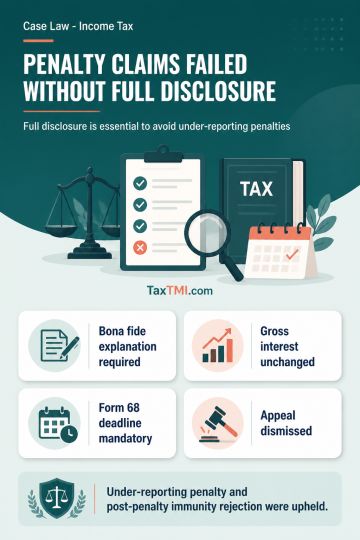
Bona fide disclosure requirements govern under-reporting penalties, and post-penalty immunity applications cannot secure available statutory protectio...
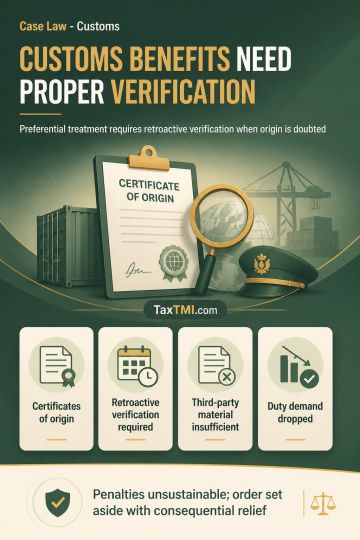
Certificate-of-origin verification procedure governs preferential customs benefits; denial without retroactive verification was set aside with consequ...
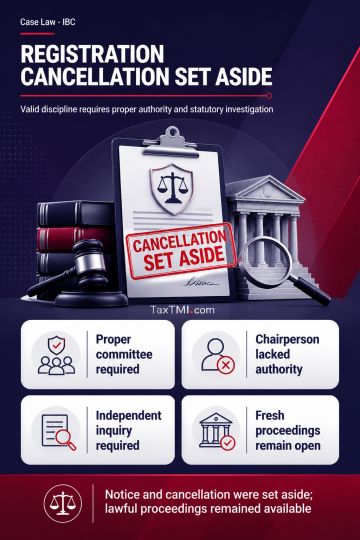
Disciplinary Committee jurisdiction and mandatory investigation requirements invalidated cancellation of an insolvency professional's registration and...
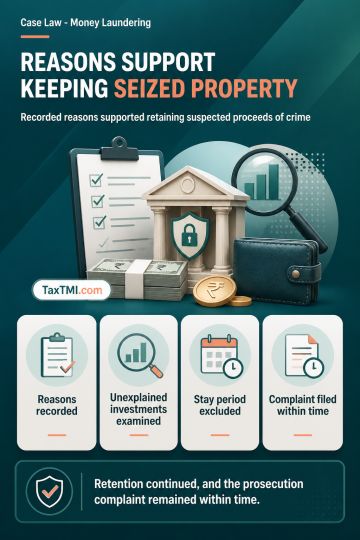
Retention of seized property survives where recorded reasons support proceeds of crime, while stayed investigation periods are excluded from limitatio...
Admissibility of confessions under Section 108 of the Customs Act and the evidentiary value of prior testimony under Section 244(1) Cr.P.C. were central. The court applied the principle that a co-accused's confession is only corroborative and cannot be treated as substantive proof, and therefore set that aside to examine other evidence. Prior testimony was inadmissible under the Evidence Act because the complainant failed to establish the witness's unavailability or incapacity, and the complainant did not invoke the alternative business-records route. On that basis, the trial court's rejection of the testimony and acquittal of the remaining accused was upheld.
Admissibility of confessions under Section 108 of the Customs Act and the evidentiary value of prior testimony under Section 244(1) Cr.P.C. were central. The court applied the principle that a co-accused's confession is only corroborative and cannot be treated as substantive proof, and therefore set that aside to examine other evidence. Prior testimony was inadmissible under the Evidence Act because the complainant failed to establish the witness's unavailability or incapacity, and the complainant did not invoke the alternative business-records route. On that basis, the trial court's rejection of the testimony and acquittal of the remaining accused was upheld.
Note: It is a system-generated summary and is for quick reference only.
 TaxTMI
 of 4807



 Join Channel


 TaxTMI