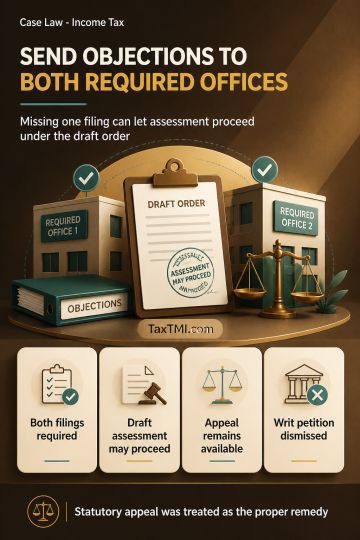
Dispute Resolution Panel objections must reach both prescribed forums; otherwise assessment may proceed and statutory appeal remains the proper remedy...
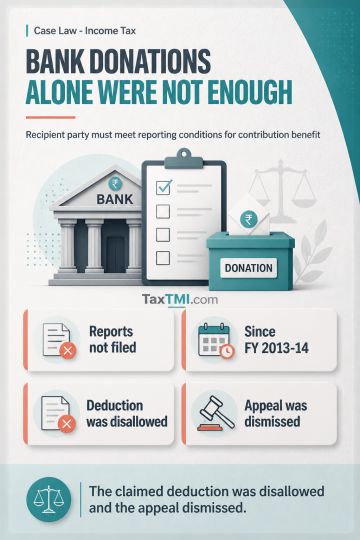
Political contribution deductions require recipient party compliance with contribution-reporting conditions; banking-channel donations alone do not qu...
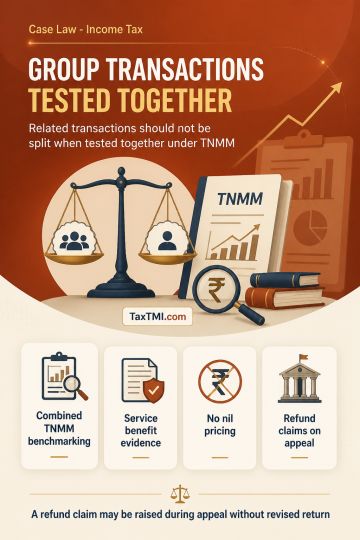
Aggregation under TNMM prevents selective testing of intra-group services without comparable uncontrolled transactions, while appellate additional cla...
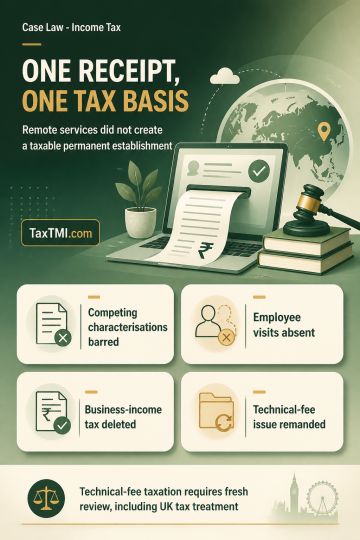
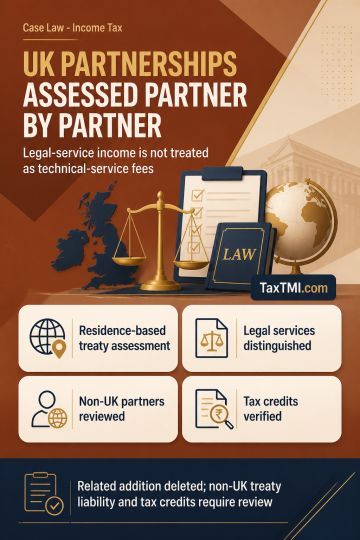
Protective assessment cannot duplicate identical receipts under competing characterisations; remote services did not establish a taxable permanent est...
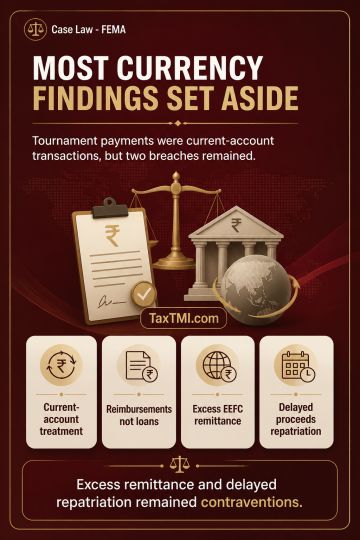
Current account treatment of overseas tournament services removed most FEMA findings, but excess EEFC remittance and delayed repatriation remained bre...
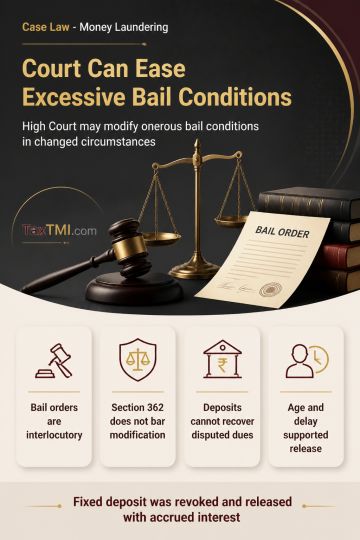
Modification of bail conditions remains available through inherent jurisdiction where onerous deposits undermine justice and cannot recover disputed d...
Admissibility of confessions under Section 108 of the Customs Act and the evidentiary value of prior testimony under Section 244(1) Cr.P.C. were central. The court applied the principle that a co-accused's confession is only corroborative and cannot be treated as substantive proof, and therefore set that aside to examine other evidence. Prior testimony was inadmissible under the Evidence Act because the complainant failed to establish the witness's unavailability or incapacity, and the complainant did not invoke the alternative business-records route. On that basis, the trial court's rejection of the testimony and acquittal of the remaining accused was upheld.
Admissibility of confessions under Section 108 of the Customs Act and the evidentiary value of prior testimony under Section 244(1) Cr.P.C. were central. The court applied the principle that a co-accused's confession is only corroborative and cannot be treated as substantive proof, and therefore set that aside to examine other evidence. Prior testimony was inadmissible under the Evidence Act because the complainant failed to establish the witness's unavailability or incapacity, and the complainant did not invoke the alternative business-records route. On that basis, the trial court's rejection of the testimony and acquittal of the remaining accused was upheld.
Note: It is a system-generated summary and is for quick reference only.
 TaxTMI
 of 4805






 Join Channel


 TaxTMI
