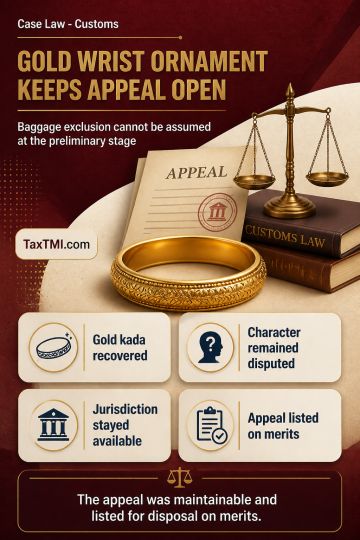
Appellate jurisdiction remains available where a wrist-worn gold ornament cannot conclusively be characterised as imported baggage at the preliminary ...
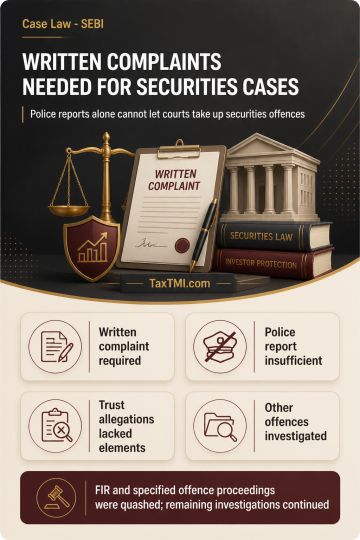
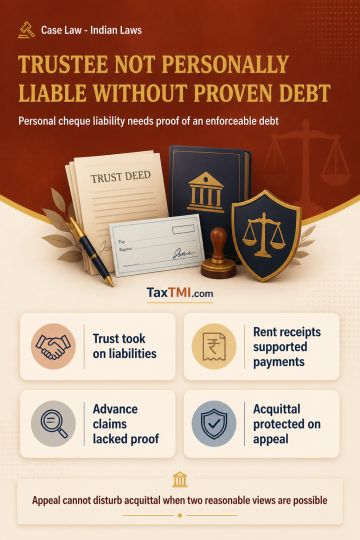
Written complaint requirement bars cognizance on police reports for securities offences, while unsupported breach of trust and cheating allegations fa...
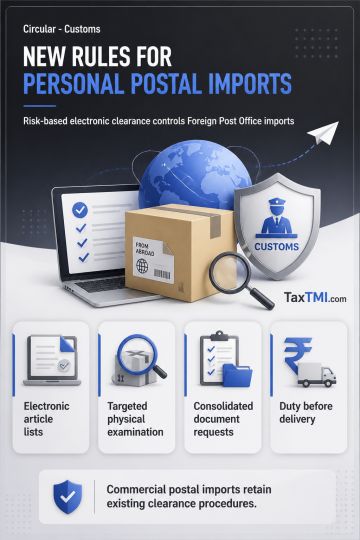
Risk-based postal import clearance standardises electronic assessment, document requests, duty realisation and delivery controls at Foreign Post Offic...
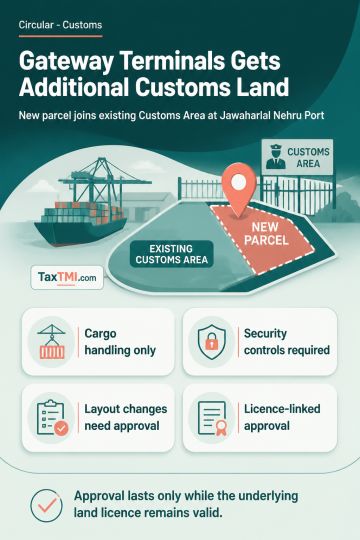
Customs Cargo Service Provider appointment extends custodianship to additional terminal land, subject to cargo-control, security and licence condition...
Admissibility of confessions under Section 108 of the Customs Act and the evidentiary value of prior testimony under Section 244(1) Cr.P.C. were central. The court applied the principle that a co-accused's confession is only corroborative and cannot be treated as substantive proof, and therefore set that aside to examine other evidence. Prior testimony was inadmissible under the Evidence Act because the complainant failed to establish the witness's unavailability or incapacity, and the complainant did not invoke the alternative business-records route. On that basis, the trial court's rejection of the testimony and acquittal of the remaining accused was upheld.
Admissibility of confessions under Section 108 of the Customs Act and the evidentiary value of prior testimony under Section 244(1) Cr.P.C. were central. The court applied the principle that a co-accused's confession is only corroborative and cannot be treated as substantive proof, and therefore set that aside to examine other evidence. Prior testimony was inadmissible under the Evidence Act because the complainant failed to establish the witness's unavailability or incapacity, and the complainant did not invoke the alternative business-records route. On that basis, the trial court's rejection of the testimony and acquittal of the remaining accused was upheld.
Note: It is a system-generated summary and is for quick reference only.
 TaxTMI
 of 4803




 Join Channel


 TaxTMI
