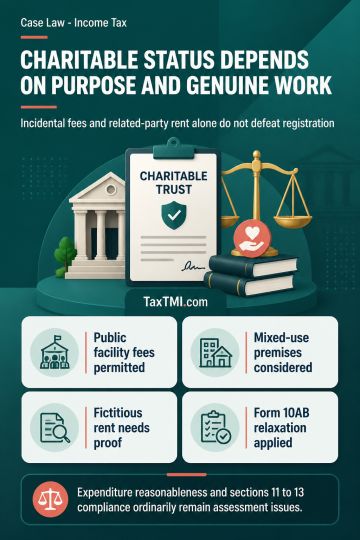
Charitable registration turns on predominant purpose and genuine activities, while incidental fees and related-party rent require supporting adverse m...
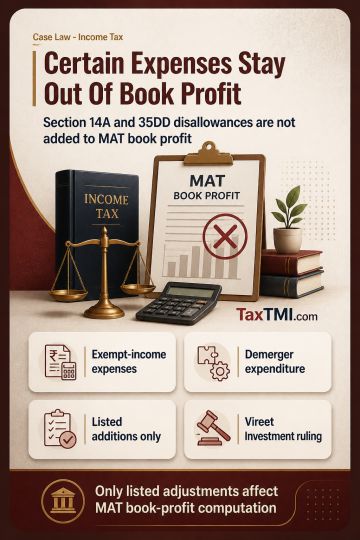
MAT book-profit adjustments exclude disallowances for exempt-income expenditure and demerger expenditure unless expressly listed under the statutory c...
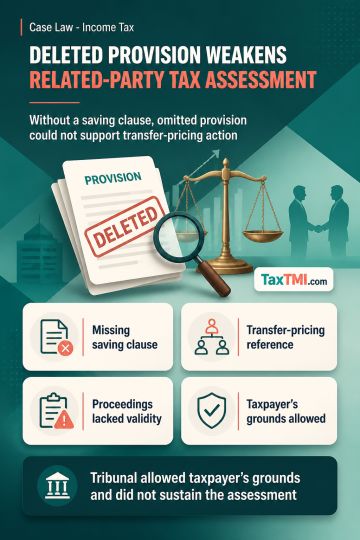
Omitted specified domestic transaction provision invalidates related-party expenditure transfer-pricing references and assessments based on consequent...
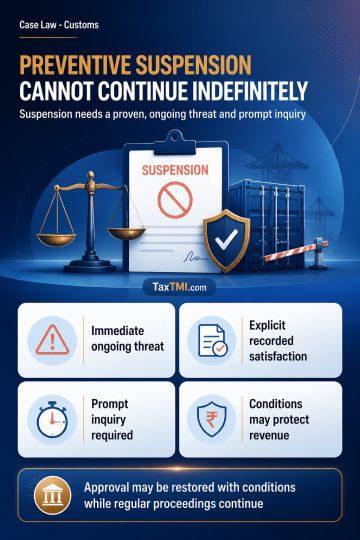
Preventive suspension requires an immediate continuing threat and cannot become indefinite without inquiry, fresh evidence, or proportionate safeguard...
Admissibility of confessions under Section 108 of the Customs Act and the evidentiary value of prior testimony under Section 244(1) Cr.P.C. were central. The court applied the principle that a co-accused's confession is only corroborative and cannot be treated as substantive proof, and therefore set that aside to examine other evidence. Prior testimony was inadmissible under the Evidence Act because the complainant failed to establish the witness's unavailability or incapacity, and the complainant did not invoke the alternative business-records route. On that basis, the trial court's rejection of the testimony and acquittal of the remaining accused was upheld.
Admissibility of confessions under Section 108 of the Customs Act and the evidentiary value of prior testimony under Section 244(1) Cr.P.C. were central. The court applied the principle that a co-accused's confession is only corroborative and cannot be treated as substantive proof, and therefore set that aside to examine other evidence. Prior testimony was inadmissible under the Evidence Act because the complainant failed to establish the witness's unavailability or incapacity, and the complainant did not invoke the alternative business-records route. On that basis, the trial court's rejection of the testimony and acquittal of the remaining accused was upheld.
Note: It is a system-generated summary and is for quick reference only.
 TaxTMI
 of 4796



 Join Channel


 TaxTMI
