Dispute Resolution Panel objections must reach both prescribed forums; otherwise assessment may proceed and statutory appeal remains the proper remedy...
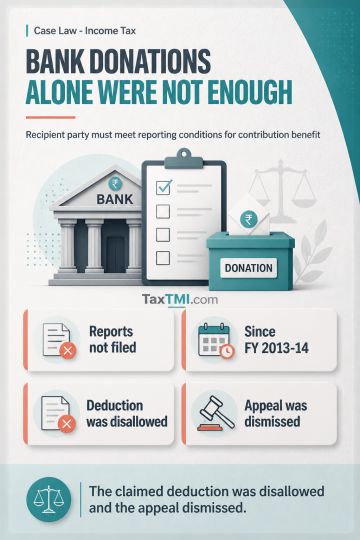
Political contribution deductions require recipient party compliance with contribution-reporting conditions; banking-channel donations alone do not qu...
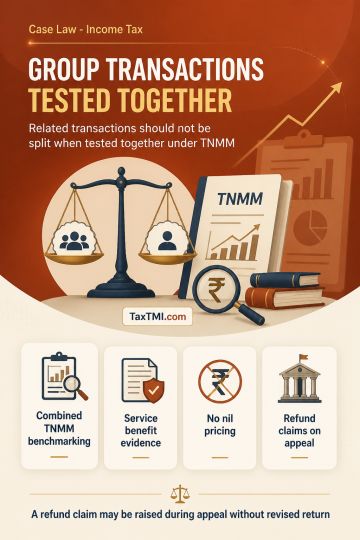
Aggregation under TNMM prevents selective testing of intra-group services without comparable uncontrolled transactions, while appellate additional cla...
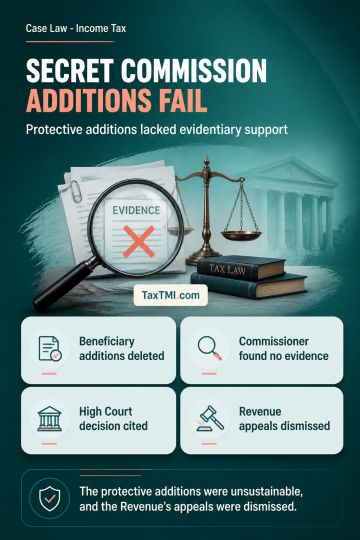
Protective assessment cannot duplicate identical receipts under competing characterisations; remote services did not establish a taxable permanent est...
Classification guidance applies GIR principles and HSN Explanatory Notes to determine tariff headings for internally or externally threaded pipe fittings. The note instructs preference for specific tariff entries over residuary entries, applying the General Rules of Interpretation to identify 'elbows, bends, sleeves, tees and crosses' as included shapes. Operatively, such fittings are classifiable by material under the Customs Tariff: stainless steel under HS 73072200, copper under HS 74121000, brass under HS 74122019, and bronze under HS 74122090, with thread type (internal/external) and tapered self-sealing design treated as characteristic features.
Classification guidance applies GIR principles and HSN Explanatory Notes to determine tariff headings for internally or externally threaded pipe fittings. The note instructs preference for specific tariff entries over residuary entries, applying the General Rules of Interpretation to identify 'elbows, bends, sleeves, tees and crosses' as included shapes. Operatively, such fittings are classifiable by material under the Customs Tariff: stainless steel under HS 73072200, copper under HS 74121000, brass under HS 74122019, and bronze under HS 74122090, with thread type (internal/external) and tapered self-sealing design treated as characteristic features.
Note: It is a system-generated summary and is for quick reference only.
 TaxTMI
 of 4803











 Join Channel


 TaxTMI
