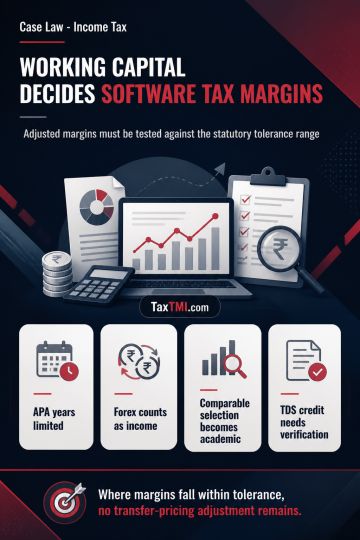
Working-capital adjustment determines whether software-services transfer-pricing margins fall within the statutory tolerance range, eliminating any ad...
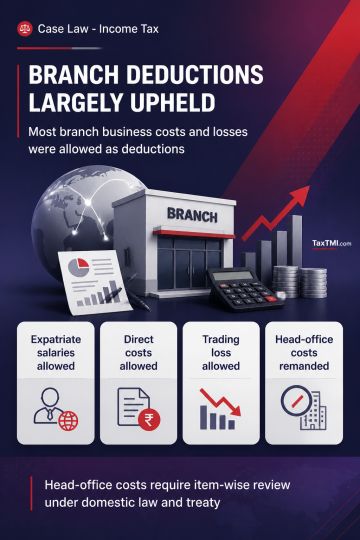
Permanent establishment deductions upheld for expatriate salaries, direct costs and trading losses, while head-office costs require fresh classificati...
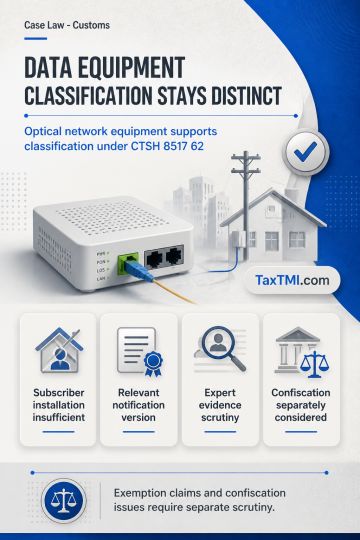
Data transmission equipment classification under CTSH 8517 62 remains distinct from residual classification, with exemption evidence requiring scrutin...
Insolvency law's overriding effect and the clean slate doctrine require that municipal dues be treated as operational debts and be presented to the liquidator for participation in the liquidation waterfall; purchasers at liquidation sales or successful resolution applicants are not liable for pre sale statutory liabilities unless the authority lodged a claim and the debt qualified as a secured interest. Contractual clauses like "as is where is" cannot preserve a municipal charge extinguished or subordinated under the Code. Retrospective revaluation or assessment against post sale purchasers who did not know of or claim the dues is not enforceable, and the impugned assessment notices were set aside with the writ allowed.
Insolvency law's overriding effect and the clean slate doctrine require that municipal dues be treated as operational debts and be presented to the liquidator for participation in the liquidation waterfall; purchasers at liquidation sales or successful resolution applicants are not liable for pre sale statutory liabilities unless the authority lodged a claim and the debt qualified as a secured interest. Contractual clauses like "as is where is" cannot preserve a municipal charge extinguished or subordinated under the Code. Retrospective revaluation or assessment against post sale purchasers who did not know of or claim the dues is not enforceable, and the impugned assessment notices were set aside with the writ allowed.
Note: It is a system-generated summary and is for quick reference only.
 TaxTMI
 of 4805






 Join Channel


 TaxTMI