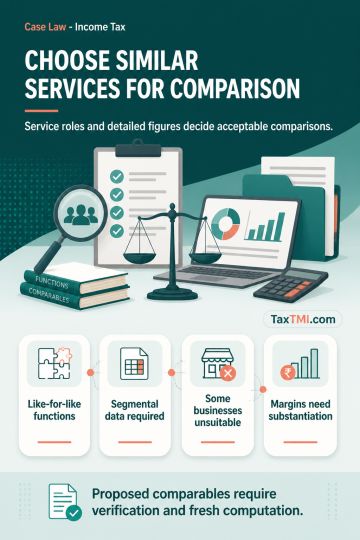
Functional comparability governs selection of support-service and IT-enabled service comparables, with verification required for unresolved data and m...
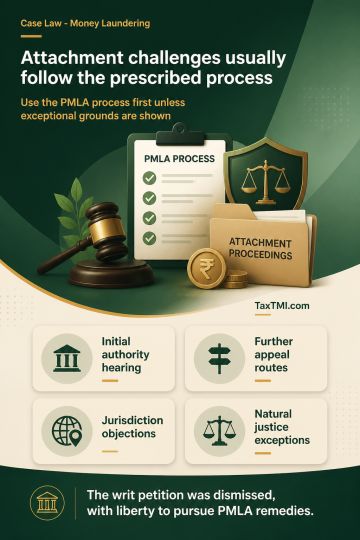
Bank account freezing requires statutory authority; anti-money-laundering compliance and KYC monitoring do not permit unilateral indefinite restrictio...
Assessee's claim for deduction under 80-IC was challenged on grounds that profits were overstated in the eligible unit while suppressed in the non-eligible unit. The tribunal rejected explanations based on excise duty and lower repair-and-maintenance, noting excise duty effects are offset by CENVAT credit and both units share management and similar input procurement and product quality; it accepted that lower R&M in the new unit is plausible but insufficient to explain the disparity. Tribunal found some profit suppression in the non-eligible unit, directed AO to apply a 5.83% net profit rate (average of relevant years) to recompute the 80-IC deduction and disallowed the remainder; appeal partly allowed.
Assessee's claim for deduction under 80-IC was challenged on grounds that profits were overstated in the eligible unit while suppressed in the non-eligible unit. The tribunal rejected explanations based on excise duty and lower repair-and-maintenance, noting excise duty effects are offset by CENVAT credit and both units share management and similar input procurement and product quality; it accepted that lower R&M in the new unit is plausible but insufficient to explain the disparity. Tribunal found some profit suppression in the non-eligible unit, directed AO to apply a 5.83% net profit rate (average of relevant years) to recompute the 80-IC deduction and disallowed the remainder; appeal partly allowed.
Note: It is a system-generated summary and is for quick reference only.
 TaxTMI
  TaxTMI
 of 4828




 Join Channel