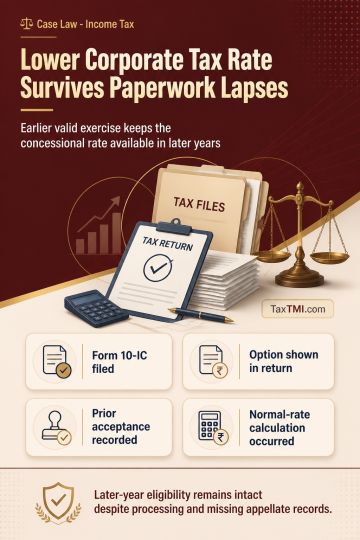
Concessional corporate tax option under section 115BAA survives procedural documentary lapses when statutory compliance and earlier exercise are estab...
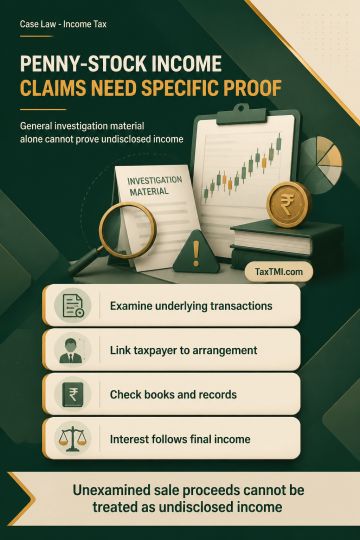
Penny-stock additions require transaction-specific evidence; general investigation material alone cannot establish undisclosed income or accommodation...
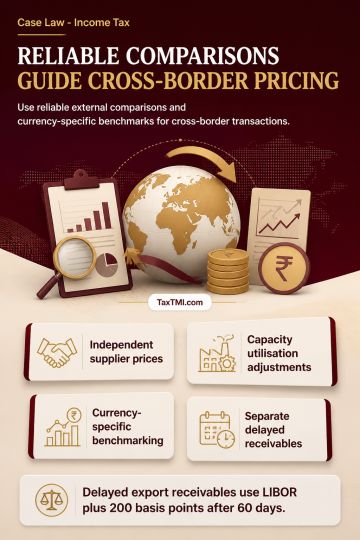
Transfer pricing comparability prioritises reliable external CUPs and foreign-currency LIBOR benchmarks for exports, borrowings and delayed receivable...
Section 153C satisfaction and seized electronic records sustained unexplained-investment addition, subject to proportionate ownership-share verificati...
Under GST rules a revocation application requires prior filing of returns and payment of dues; limitation exists to ensure statutory compliance and protect third party rights, but cancellation of GST registration typically prejudices only the assessee and not third parties. The writ court may condone delay in statutory or quasi judicial proceedings, and on that basis the High Court set aside the dismissal of the appeal for limitation and directed the Appellate Authority to re hear and decide the revocation of cancellation on merits, permitting reconsideration rather than rejection on time bar grounds.
Under GST rules a revocation application requires prior filing of returns and payment of dues; limitation exists to ensure statutory compliance and protect third party rights, but cancellation of GST registration typically prejudices only the assessee and not third parties. The writ court may condone delay in statutory or quasi judicial proceedings, and on that basis the High Court set aside the dismissal of the appeal for limitation and directed the Appellate Authority to re hear and decide the revocation of cancellation on merits, permitting reconsideration rather than rejection on time bar grounds.
Note: It is a system-generated summary and is for quick reference only.
 TaxTMI
  TaxTMI
 of 4830







 Join Channel


