Concessional corporate tax option under section 115BAA survives procedural documentary lapses when statutory compliance and earlier exercise are estab...
Penny-stock additions require transaction-specific evidence; general investigation material alone cannot establish undisclosed income or accommodation...
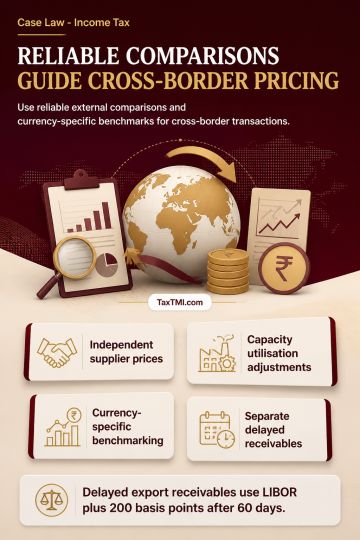
Transfer pricing comparability prioritises reliable external CUPs and foreign-currency LIBOR benchmarks for exports, borrowings and delayed receivable...
Section 153C satisfaction and seized electronic records sustained unexplained-investment addition, subject to proportionate ownership-share verificati...
Interest income on non-performing assets was treated as taxable where the taxpayer both accrued interest and made substantial fresh advances to the same borrowers; the court held that such conduct negates a claim that accrued interest was merely notional and uncollectible, and therefore supports taxation. The writ was held non-maintainable because an effective statutory appellate remedy existed and was not timely availed, so the High Court refused to substitute writ jurisdiction for the lapsed appeal. The tribunal's fact-driven distinction between loan categories based on borrower conduct and fresh advances was upheld, favouring revenue on the merits.
Interest income on non-performing assets was treated as taxable where the taxpayer both accrued interest and made substantial fresh advances to the same borrowers; the court held that such conduct negates a claim that accrued interest was merely notional and uncollectible, and therefore supports taxation. The writ was held non-maintainable because an effective statutory appellate remedy existed and was not timely availed, so the High Court refused to substitute writ jurisdiction for the lapsed appeal. The tribunal's fact-driven distinction between loan categories based on borrower conduct and fresh advances was upheld, favouring revenue on the merits.
Note: It is a system-generated summary and is for quick reference only.
 TaxTMI
  TaxTMI
 of 4830













 Join Channel


