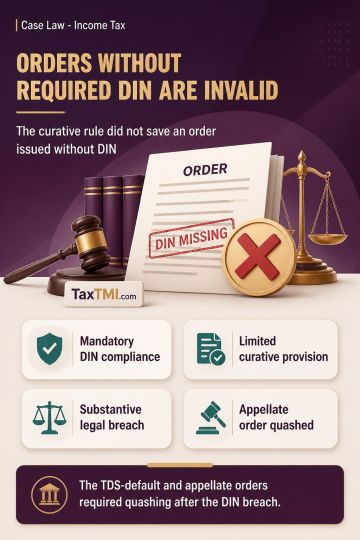
Document Identification Number compliance renders TDS-default orders invalid where mandatory DIN requirements are breached and curative provision does...
To establish fraudulent trading the tribunal must find transactions knowingly made with dishonest intent to defraud creditors, while wrongful trading targets directors or partners who knew or ought to have known insolvency was inevitable and failed to minimize creditor loss; the tribunal applied these distinct standards and found false entries and collusion between the corporate debtor and the counterparty, concluding receivables were wiped out without actual sales. Evidence met the civil standard of preponderance of probability on these facts, relevant earlier appellate and Supreme Court affirmations were noted, and the appeal was dismissed with the direction for contribution to the corporate debtor's assets.
To establish fraudulent trading the tribunal must find transactions knowingly made with dishonest intent to defraud creditors, while wrongful trading targets directors or partners who knew or ought to have known insolvency was inevitable and failed to minimize creditor loss; the tribunal applied these distinct standards and found false entries and collusion between the corporate debtor and the counterparty, concluding receivables were wiped out without actual sales. Evidence met the civil standard of preponderance of probability on these facts, relevant earlier appellate and Supreme Court affirmations were noted, and the appeal was dismissed with the direction for contribution to the corporate debtor's assets.
Note: It is a system-generated summary and is for quick reference only.
 TaxTMI
  TaxTMI
 of 4918