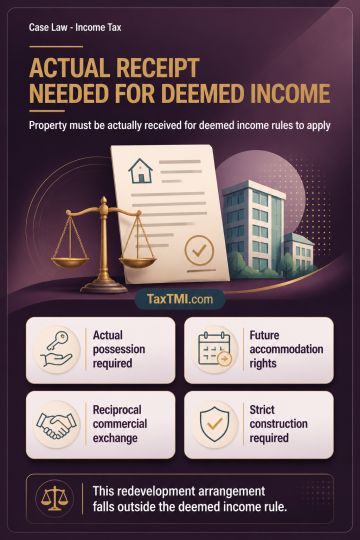
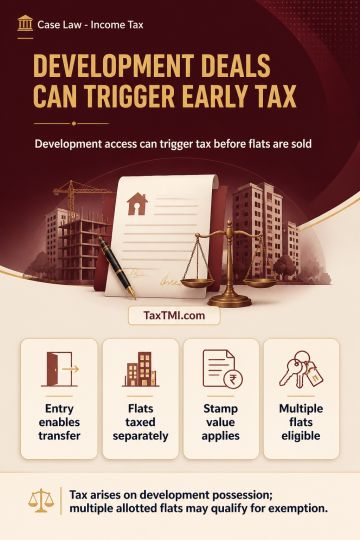
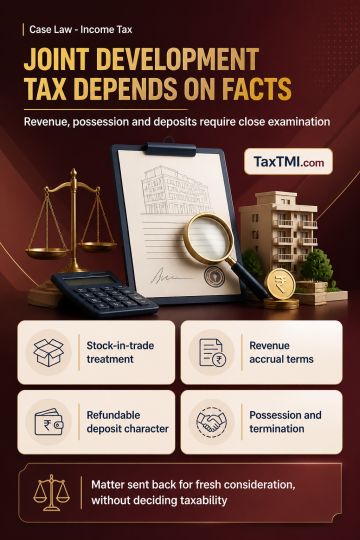
Receipt of immovable property requires actual possession or enjoyment; redevelopment allotments exchanged for tenancy rights fall outside deemed incom...
Section 80P deduction covers Souharda credit societies, including qualifying surplus-deposit interest, subject to member KYC verification for cash dep...
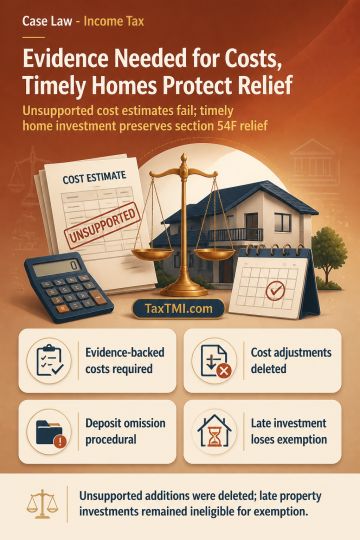
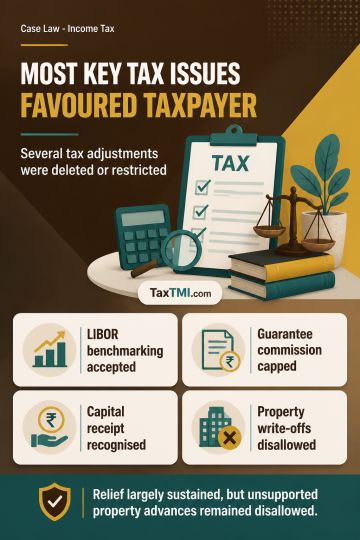
Transfer-pricing benchmarking and capital-receipt principles sustained taxpayer relief, while unsupported property-advance write-offs remained disallo...
High Court exercised extraordinary constitutional jurisdiction under Article 226 to condone delay in filing a statutory CGST appeal where the delay resulted from counsel/consultant accountant negligence, holding that a litigant should not be penalised for counsel's mistake; relief was granted and the writ petition allowed. The court emphasised that denial of opportunity to restore GST registration or pursue statutory remedies when the taxpayer proposes to comply (filing returns, paying taxes, interest and penalties) would frustrate the facilitative objective of the GST regime and impose disproportionate hardship, infringing Articles 14 and 21; therefore the appellate remedy was not rendered illusory.
High Court exercised extraordinary constitutional jurisdiction under Article 226 to condone delay in filing a statutory CGST appeal where the delay resulted from counsel/consultant accountant negligence, holding that a litigant should not be penalised for counsel's mistake; relief was granted and the writ petition allowed. The court emphasised that denial of opportunity to restore GST registration or pursue statutory remedies when the taxpayer proposes to comply (filing returns, paying taxes, interest and penalties) would frustrate the facilitative objective of the GST regime and impose disproportionate hardship, infringing Articles 14 and 21; therefore the appellate remedy was not rendered illusory.
Note: It is a system-generated summary and is for quick reference only.
 TaxTMI
 of 4796








 Join Channel


 TaxTMI
