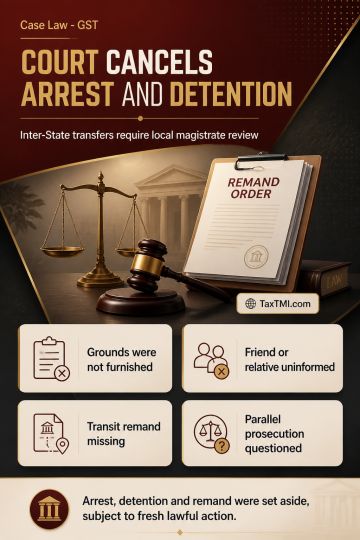
Arrest safeguards and transit remand requirements invalidated detention following inter-State transfer without communicated grounds or magistrate auth...
Arrest safeguards require disclosed grounds, relative intimation and transit remand, while duplicate prosecution under the CGST framework is unsustain...
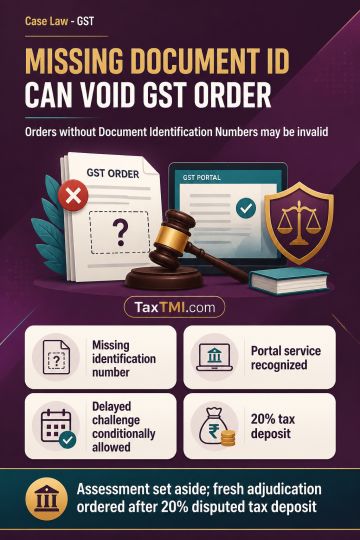
Document Identification Number defects can invalidate GST assessments, with delayed challenges entertained conditionally where patent irregularities e...
Windmill commissioning evidence supported higher depreciation where grid connection and electricity generation proved operational use before the relev...
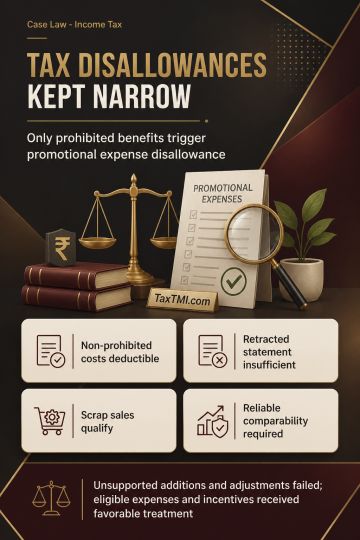
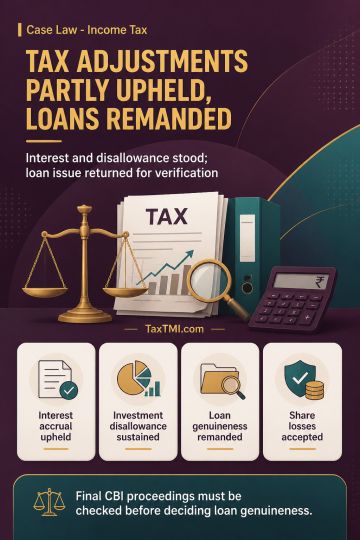
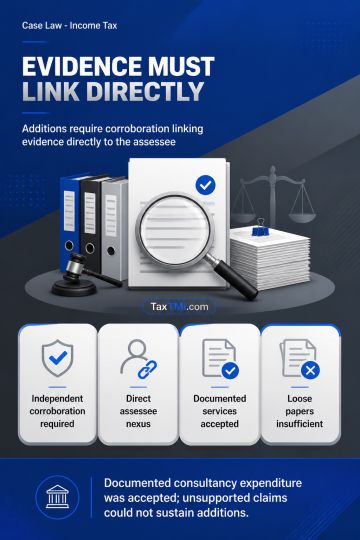
Pharmaceutical promotion and transfer-pricing comparability principles limited disallowances, while uncorroborated search allegations and unsupported ...
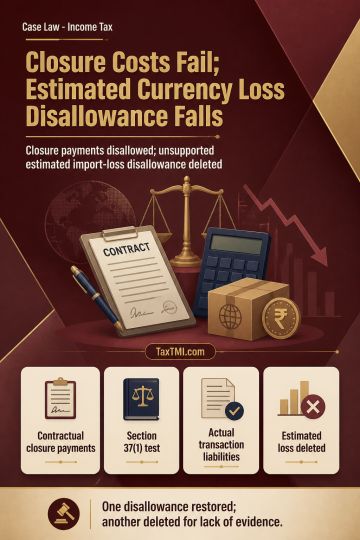
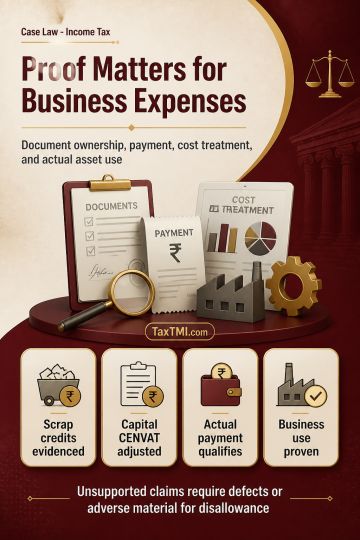
Business expenditure substantiation supports scrap credits, statutory payments and expense claims, while depreciation requires proof of actual busines...
High Court exercised extraordinary constitutional jurisdiction under Article 226 to condone delay in filing a statutory CGST appeal where the delay resulted from counsel/consultant accountant negligence, holding that a litigant should not be penalised for counsel's mistake; relief was granted and the writ petition allowed. The court emphasised that denial of opportunity to restore GST registration or pursue statutory remedies when the taxpayer proposes to comply (filing returns, paying taxes, interest and penalties) would frustrate the facilitative objective of the GST regime and impose disproportionate hardship, infringing Articles 14 and 21; therefore the appellate remedy was not rendered illusory.
High Court exercised extraordinary constitutional jurisdiction under Article 226 to condone delay in filing a statutory CGST appeal where the delay resulted from counsel/consultant accountant negligence, holding that a litigant should not be penalised for counsel's mistake; relief was granted and the writ petition allowed. The court emphasised that denial of opportunity to restore GST registration or pursue statutory remedies when the taxpayer proposes to comply (filing returns, paying taxes, interest and penalties) would frustrate the facilitative objective of the GST regime and impose disproportionate hardship, infringing Articles 14 and 21; therefore the appellate remedy was not rendered illusory.
Note: It is a system-generated summary and is for quick reference only.
 TaxTMI
 of 4792













 Join Channel


 TaxTMI