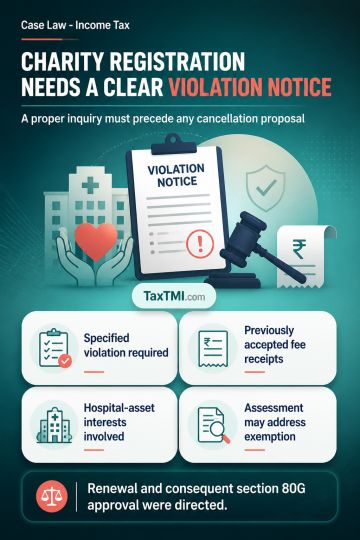
Charitable trust registration requires a specified-violation notice; settled cash deposits and related-party payments did not justify cancellation or ...
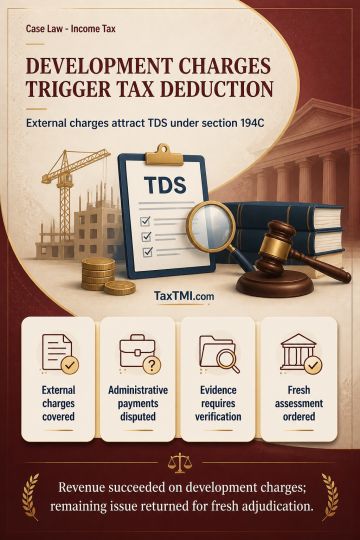
External development charges trigger TDS under section 194C, while disputed administrative payments require factual verification and fresh adjudicatio...
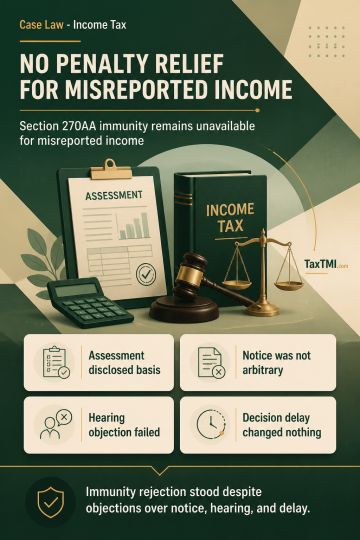
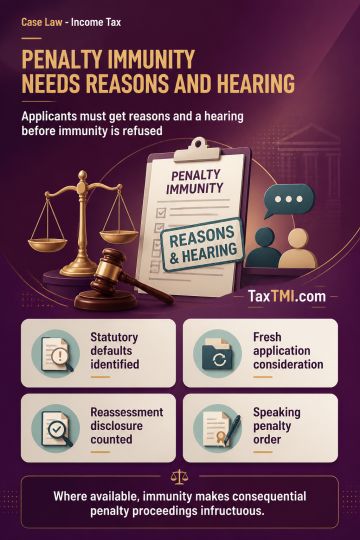
Section 270AA penalty immunity requires identified statutory defaults and a hearing before rejection; reassessment disclosure may constitute under-rep...
Supreme Court examined the tax treatment of amounts recovered by an employer from employees as provident or ESI contributions, noting such sums are taxable as income when received. The Court explained that deduction under the employer-deduction provision is available only if the employer credits the employees' contributions to the relevant fund by the 'due date', which the Explanation defines as the date required under the applicable Act, rule, order or notification. The Court identified two conflicting interpretations: one requiring crediting by the statutory fund due date for deduction, and an alternative treating employee and employer contributions alike under the non-obstante clause permitting deduction if deposited by return due date.
Supreme Court examined the tax treatment of amounts recovered by an employer from employees as provident or ESI contributions, noting such sums are taxable as income when received. The Court explained that deduction under the employer-deduction provision is available only if the employer credits the employees' contributions to the relevant fund by the 'due date', which the Explanation defines as the date required under the applicable Act, rule, order or notification. The Court identified two conflicting interpretations: one requiring crediting by the statutory fund due date for deduction, and an alternative treating employee and employer contributions alike under the non-obstante clause permitting deduction if deposited by return due date.
Note: It is a system-generated summary and is for quick reference only.
 TaxTMI
  TaxTMI
 of 4826









 Join Channel


