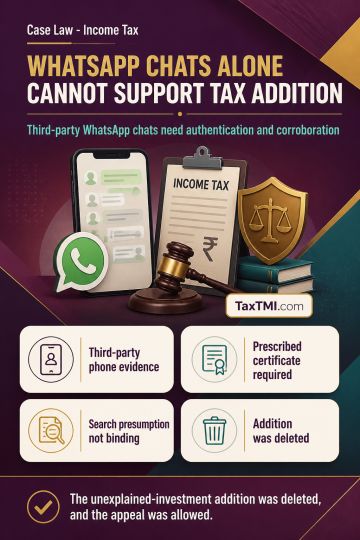
Electronic WhatsApp evidence without authentication or independent corroboration cannot sustain an unexplained-investment addition based on third-part...
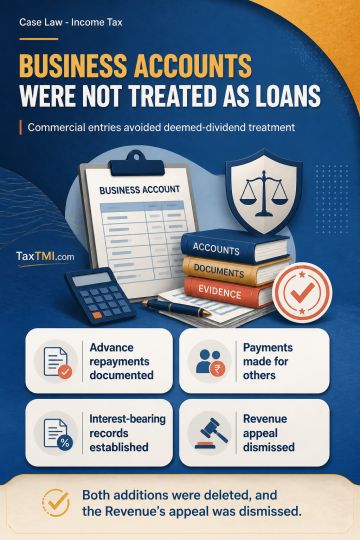
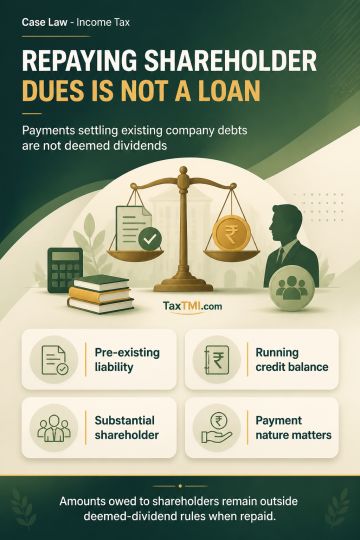
Mutual current-account transactions excluded from deemed dividend treatment where no fresh borrowing arose; unsupported unsecured-loan addition also f...
Operational creditor sought admission of a s.9 application based on invoices, relying on book adjustments and ledger entries to extend limitation and meet the threshold. The tribunal held that any acknowledgement after expiry of the three-year limitation is ineffective, and a journal entry merely transferring historic liabilities between units does not constitute a valid acknowledgement under s.18 nor revive time-barred invoices. A signed balance/ledger confirmation, being ambiguous and lacking an express promise to pay, did not attract s.25(3) of the Contract Act to create a fresh obligation, and interest was disallowed absent contractual terms. Consequently, the operational debt remained time-barred and the threshold finding stood; the appeal was dismissed. - NCLAT
Operational creditor sought admission of a s.9 application based on invoices, relying on book adjustments and ledger entries to extend limitation and meet the threshold. The tribunal held that any acknowledgement after expiry of the three-year limitation is ineffective, and a journal entry merely transferring historic liabilities between units does not constitute a valid acknowledgement under s.18 nor revive time-barred invoices. A signed balance/ledger confirmation, being ambiguous and lacking an express promise to pay, did not attract s.25(3) of the Contract Act to create a fresh obligation, and interest was disallowed absent contractual terms. Consequently, the operational debt remained time-barred and the threshold finding stood; the appeal was dismissed. - NCLAT
Note: It is a system-generated summary and is for quick reference only.
 TaxTMI
  TaxTMI
 of 4828




 Join Channel