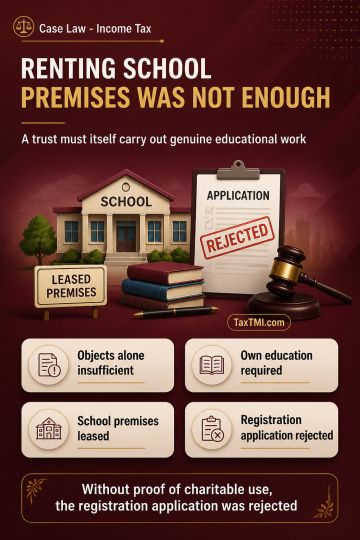
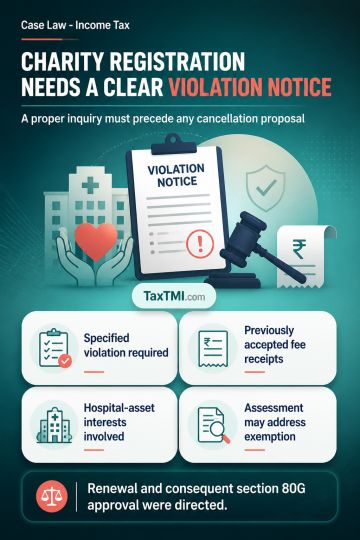
Charitable trust registration requires a specified-violation notice; settled cash deposits and related-party payments did not justify cancellation or ...
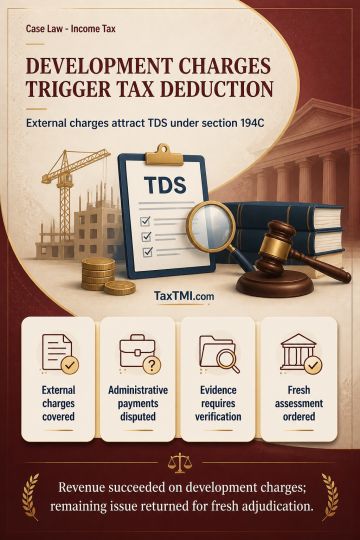
External development charges trigger TDS under section 194C, while disputed administrative payments require factual verification and fresh adjudicatio...
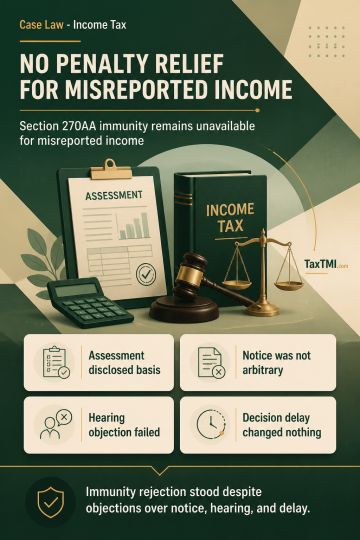
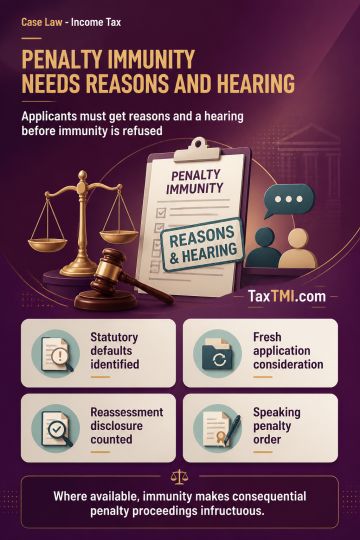
Section 270AA penalty immunity requires identified statutory defaults and a hearing before rejection; reassessment disclosure may constitute under-rep...
Revision under s.263 was held unsustainable where the revisional authority assumed jurisdiction on limited show-cause grounds but finally set aside the assessment on additional issues (ICDS/AS-7 compliance, refund verification, stock reconciliation, and purchases from non-filers) without issuing any notice on those new grounds; such expansion beyond the show-cause violates jurisdictional limits, vitiating the revision. On the original show-cause issues, the record showed adequate enquiry on creditor ageing and no demonstrated revenue prejudice, and post-assessment survey material could not retroactively render the completed assessment erroneous. Non-disallowance of delayed employees' PF/ESI contributions was not treated as an error in light of then-prevailing HC law when the assessment was framed. The s.263 order was quashed and the appeal allowed - ITAT
Revision under s.263 was held unsustainable where the revisional authority assumed jurisdiction on limited show-cause grounds but finally set aside the assessment on additional issues (ICDS/AS-7 compliance, refund verification, stock reconciliation, and purchases from non-filers) without issuing any notice on those new grounds; such expansion beyond the show-cause violates jurisdictional limits, vitiating the revision. On the original show-cause issues, the record showed adequate enquiry on creditor ageing and no demonstrated revenue prejudice, and post-assessment survey material could not retroactively render the completed assessment erroneous. Non-disallowance of delayed employees' PF/ESI contributions was not treated as an error in light of then-prevailing HC law when the assessment was framed. The s.263 order was quashed and the appeal allowed - ITAT
Note: It is a system-generated summary and is for quick reference only.
 TaxTMI
  TaxTMI
 of 4826






 Join Channel


